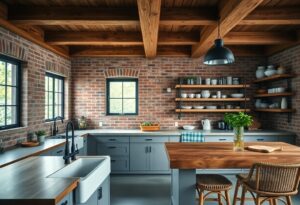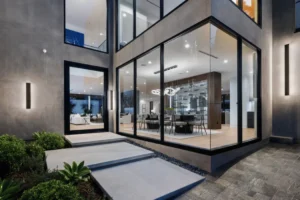
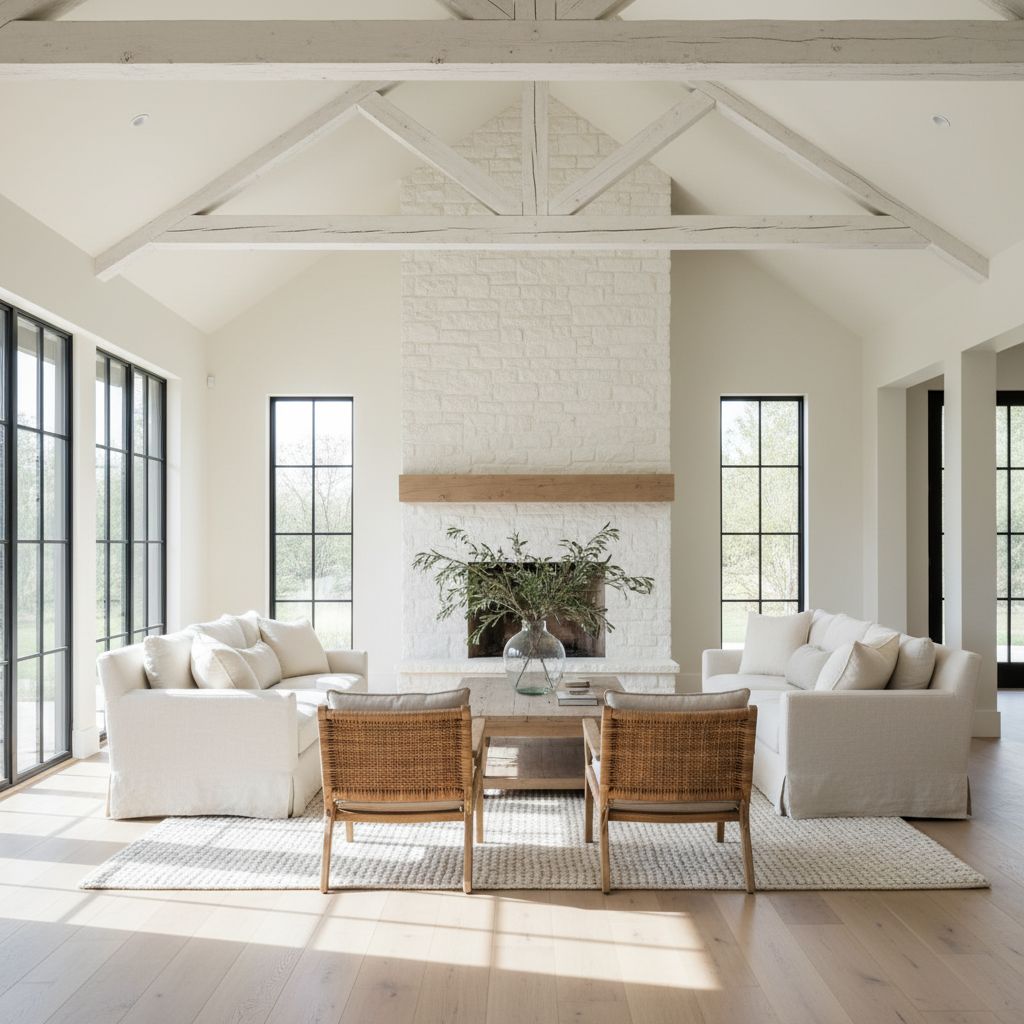
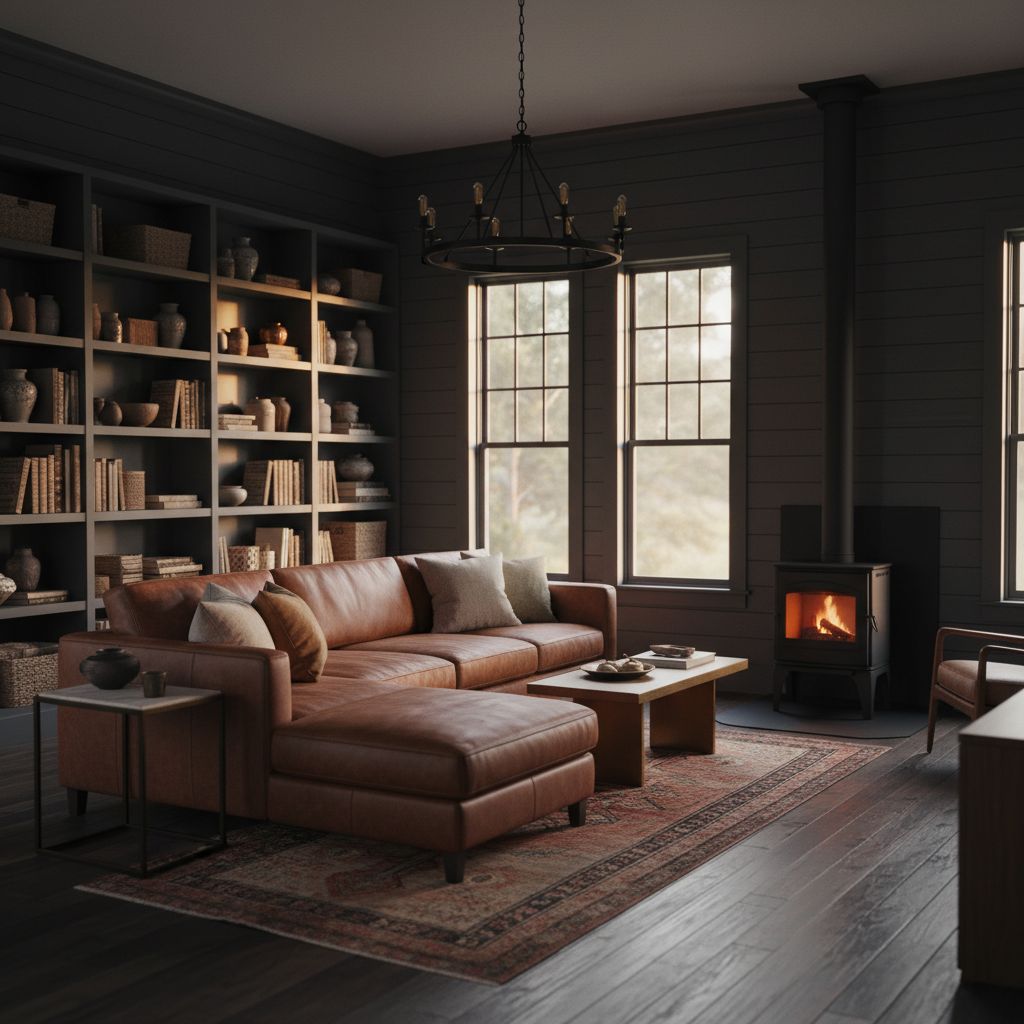
We had a client who wanted us to do a Contemporary Farmhouse Interior Decor makeover. So we obliged. They wanted a living room, dining area and a study/home office doing all at the same time.
You step into a space where weathered wood meets clean-lined furniture, and shiplap walls frame modern fixtures, defining the contemporary farmhouse aesthetic. This style blends rustic charm with minimalist sensibility, creating homes that feel both warm and refined. The balance between old and new is important, and missteps can lead to a disjointed look. Overusing barn doors or reclaimed wood without intention risks veering into theme-park territory. Your goal is authenticity, not imitation.
Key Takeaways:
- Contemporary farmhouse decor blends rustic charm with modern simplicity, using clean lines and neutral palettes to balance warmth and minimalism in spaces like kitchens and living areas.
- Shiplap walls, exposed wooden beams, and farmhouse sinks are signature elements, often paired with matte black or brushed nickel fixtures for a refined contrast.
- Natural materials such as reclaimed wood, stone, and linen dominate the style, with a focus on texture rather than ornamentation to create inviting, lived-in environments.
- Open floor plans enhance the airy feel typical of this aesthetic, allowing light to move freely and connecting functional zones like the kitchen and dining area.
- A mid-sized SaaS firm converted its office lobby into a contemporary farmhouse-inspired reception, using a salvaged wood accent wall and vintage-style lighting to soften the corporate atmosphere.
Defining the Contemporary Farmhouse Aesthetic
Contemporary farmhouse decor blends rural charm with clean-lined modern design, creating spaces that feel both inviting and refined. You’re not recreating a historic homestead but reinterpreting its soul through a current lens, where shiplap walls meet recessed lighting and apron-front sinks sit beneath quartz countertops. The style thrives on contrast, using aged wood beams alongside stainless steel fixtures to strike a balance between eras.
Balancing Rustic Warmth with Modern Minimalism
Wooden ceiling beams in a New York loft were sanded but left with visible grain and knots, preserving their history while paired with handleless cabinetry and flush-mounted LED ceiling lights. You achieve harmony by limiting rustic elements to focal points, allowing minimalist features to dominate surfaces and storage. Too much reclaimed wood or vintage hardware can tip the scale into kitsch, undermining the sophistication the style aims to achieve.
The Role of Neutral Palettes and Natural Light
Soft whites, warm grays, and beige form the backbone of your color scheme, reflecting light and making rooms feel larger and more cohesive. You rely on large windows, minimal window treatments, and open floor plans to amplify daylight, which enhances the airy quality important to the style. These choices keep the space feeling grounded yet uncluttered.
Consider a renovated dairy barn in Vermont where south-facing windows were expanded to flood the great room with sunlight, reducing the need for artificial lighting during the day. You can replicate this effect by using sheer roller shades or interior shutters that allow full access to glass. Paint walls in warm white rather than cool bright white to avoid sterility, and test samples at different times of day. Natural light changes how materials like oak flooring or linen upholstery appear, so your palette must adapt to these shifts without losing cohesion.
Popular Types of Contemporary Farmhouse Variations
Designers and homeowners adapt the contemporary farmhouse style into distinct variations, each blending rustic charm with modern clarity. The Industrial Farmhouse pairs reclaimed wood with exposed metal beams, while the Coastal Farmhouse emphasizes soft blues and airy textures. Others incorporate Scandinavian minimalism or Southwestern influences for regional appeal. Recognizing these substyles helps align your vision with materials, colors, and structural details that define your space.
| Variation Type | Defining Features |
| Industrial Farmhouse | Exposed ductwork, steel accents, dark finishes |
| Coastal Farmhouse | Weathered wood, linen fabrics, sea-inspired tones |
| Modern Farmhouse | Shiplap walls, matte black fixtures, open concept |
| Rustic Farmhouse | Distressed beams, stone fireplaces, vintage decor |
The Industrial Farmhouse: Metals and Reclaimed Wood
Exposed steel beams and ductwork anchor the Industrial Farmhouse, introducing an urban edge. You incorporate reclaimed wood flooring or beams to soften the metallic framework, balancing warmth with structural honesty. Factory-style lighting and iron hardware reinforce the utilitarian aesthetic. Recognizing
The Coastal Farmhouse: Airy Textures and Soft Blues
Whitewashed paneling and soft blue accents define the Coastal Farmhouse, evoking seaside calm. You layer in linen upholstery, jute rugs, and bleached oak to enhance lightness. Sliding barn doors and beadboard remain, but in pale finishes that reflect natural light. Recognizing
Light plays a central role in the Coastal Farmhouse, where sheer curtains and large windows amplify openness. You might choose weathered gray shiplap to mimic driftwood or install a beadboard ceiling in a powder room for subtle texture. Nautical elements stay understated-rope mirrors or shell motifs appear sparingly, avoiding cliché. A mid-sized SaaS firm’s executive home in Charleston used this approach to blend beachfront ease with functional family living.
Essential Factors for a Successful Design
Creating a cohesive contemporary farmhouse interior demands attention to balance, material integrity, and spatial flow. Focus on neutral color palettes, natural textures, and architectural details like shiplap or exposed beams. Thoughtful integration of old and new elements ensures authenticity. This
Selecting Sustainable and High-Quality Materials
Choose materials that age gracefully and support long-term durability. Reclaimed wood, FSC-certified lumber, and low-VOC finishes enhance indoor air quality while reducing environmental impact. Stone countertops and porcelain tiles mimic natural surfaces with added resilience. This
Prioritizing Functional Layouts and Open Spaces
Open floor plans encourage movement and social interaction, a hallmark of modern farmhouse living. Minimize unnecessary walls and align kitchen, dining, and living zones for intuitive access. Built-in storage and multi-use furniture maintain uncluttered sightlines. This
Designing for function means anticipating how each room supports daily routines. A kitchen island often doubles as a prep zone, dining spot, and storage hub, especially in a mid-sized SaaS firm owner’s weekend home. Hallways should guide rather than obstruct, and ceiling heights can amplify the sense of space without structural overhaul.
Step-by-Step Guide to Transforming Your Space
Follow this structured approach to achieve a cohesive contemporary farmhouse interior, balancing rustic charm with modern functionality. Each phase builds on the last, guiding you from structural choices to final decorative touches that define the style.
| Assess Your Space | Identify architectural features worth highlighting, such as exposed beams or original flooring, and determine which elements conflict with the farmhouse aesthetic. |
| Set a Budget | Allocate funds across categories like structural updates, paint, furniture, and textiles, prioritizing high-impact areas such as the kitchen or living room. |
| Choose a Neutral Palette | Select whites, grays, or warm beiges for walls and large surfaces to create a calm backdrop that enhances natural textures and light. |
| Source Key Furniture | Look for pieces with clean lines and reclaimed wood finishes, such as a farmhouse sink or a trestle dining table, to anchor each room. |
| Add Finishing Accents | Incorporate galvanized metal, ceramic, or woven baskets to introduce subtle contrast and authentic rural character without clutter. |
Establishing an Architectural Foundation
Begin by evaluating load-bearing walls, ceiling beams, and flooring materials. Exposed wood or whitewashed shiplap walls instantly reinforce the farmhouse identity, while replacing outdated fixtures with matte black or oil-rubbed bronze updates enhances authenticity.
Layering Textiles and Finishing Accents
Introduce warmth through linen curtains, chunky knit throws, and braided jute rugs. These elements soften hard surfaces and add tactile contrast, making the space feel lived-in and inviting without sacrificing style.
Choose textiles in muted tones like oatmeal, sage, or charcoal to maintain visual harmony. A mid-sized SaaS firm’s executive lounge, for example, used linen-upholstered benches and a reclaimed wood coffee table to blend professionalism with farmhouse comfort. Woven lampshades, ceramic vases, and iron candle holders complete the narrative, each piece contributing to a layered, curated effect grounded in simplicity.
Expert Tips for Furniture and Lighting Selection
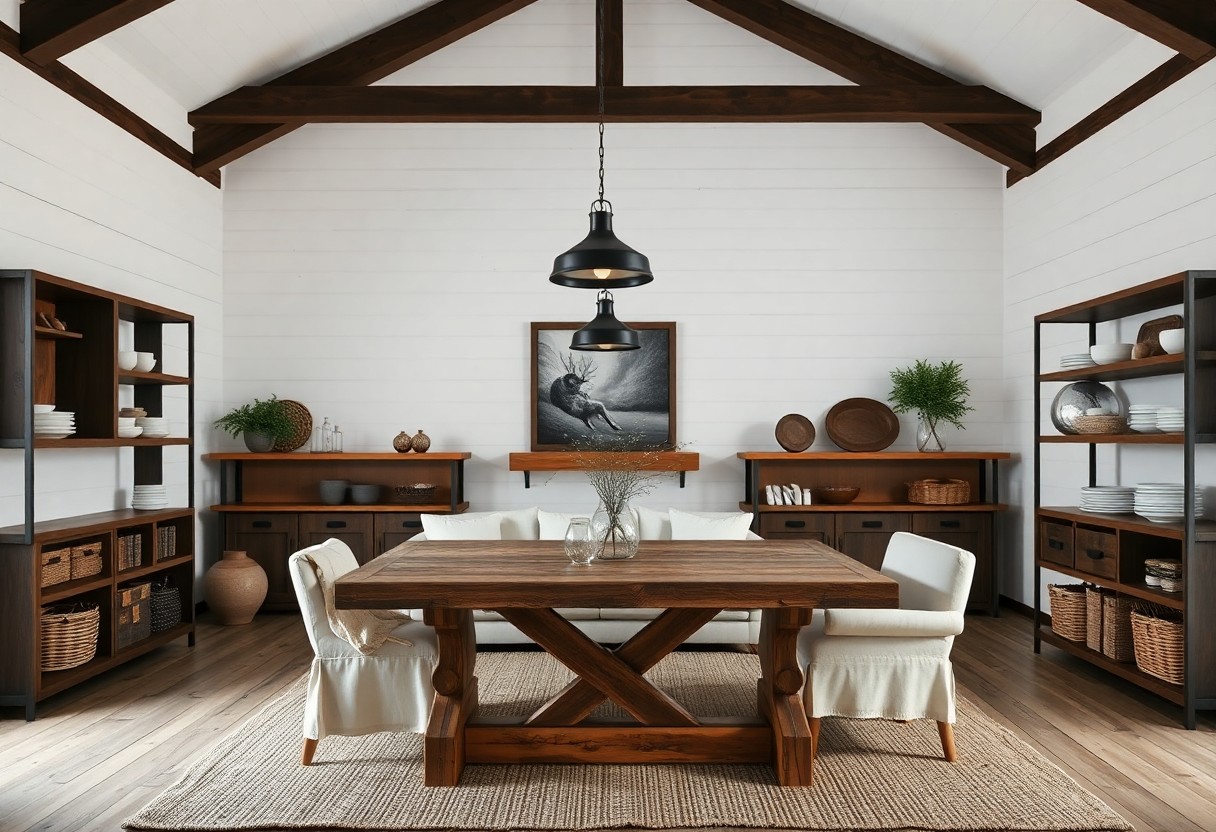
Focus on proportion and scale when selecting furniture and lighting to maintain balance in your space. Choose pieces with clean lines but warm finishes, such as blackened steel pendants above a reclaimed wood dining table. Incorporate layered lighting-ambient, task, and accent-to enhance depth. The right mix supports both function and atmosphere.
Choosing Statement Pieces for Visual Impact
Select one or two statement pieces, like a wide-plank farmhouse sink or a towering open shelving unit, to anchor the room. These elements draw the eye and define the style without overwhelming the space. The impact lies in simplicity, not excess.
Mixing Vintage Finds with Modern Silhouettes
Pair a weathered barn door with a sleek, minimalist kitchen island to blend eras thoughtfully. Vintage reclaimed wood beams add character when contrasted with crisp white cabinetry. The juxtaposition creates depth and authenticity.
Introduce a mid-century sideboard in a dining area alongside ladder-back chairs to achieve balance between old and new. Look for patina on metal pulls or distressed table edges that tell a story, while keeping seating ergonomics and layout aligned with modern living. The contrast should feel intentional, not cluttered.
Pros and Cons of the Contemporary Farmhouse Style
While the contemporary farmhouse style offers warmth and visual cohesion, it also presents trade-offs in longevity and upkeep. Your choice to adopt this aesthetic should balance personal taste with practical considerations, especially as trends shift and maintenance demands emerge over time.
| Pros | Cons |
|---|---|
| Inviting, warm atmosphere through natural materials | Shiplap walls can trap dust and require frequent cleaning |
| Neutral palette allows for flexible decor changes | Overuse of gray and white may feel sterile over time |
| Open floor plans enhance family interaction | Large spaces can be costly to heat and cool |
| Blend of vintage and modern supports personalization | Authentic reclaimed wood is expensive and hard to source |
| Wide plank flooring adds rustic elegance | Wood floors show scratches and wear more readily |
| Statement lighting serves as functional art | Barn doors may lack privacy and insulation |
| Kitchen islands become social hubs | Islands reduce space in smaller kitchens |
| Timeless elements like apron sinks endure trends | Popular finishes like matte black may date quickly |
| Indoor-outdoor flow supports relaxed living | Sliding barn doors require wall space and track maintenance |
| Family-friendly materials withstand daily use | Design fatigue from oversaturation in media and resale markets |
Evaluating Timeless Appeal and Comfort
You gain comfort through layered textures and familiar forms, such as linen upholstery and exposed beams, which contribute to a lived-in ease. Designs emphasizing simplicity and function often age better than those chasing fleeting trends, allowing your space to feel welcoming for years without appearing outdated.
Addressing Maintenance and Design Over-Saturation
High-traffic areas demand resilient finishes, as white cabinetry and light floors show smudges and scuffs more readily. The widespread popularity of the style has led to predictability, making it harder to create a distinctive interior when every home features shiplap and subway tile.
Material choices directly impact how often you clean and repair surfaces. A mid-sized SaaS firm’s executive renovated her kitchen with matte-finish white cabinets and soon found fingerprints and water spots required daily wiping. Pairing classic elements like beadboard with unexpected materials such as soapstone or oiled oak can reduce upkeep while distancing your home from mass-market interpretations. Long-term satisfaction often depends on balancing authenticity with practicality, not just replicating magazine spreads.
Final Words
You achieve a balanced contemporary farmhouse interior by blending rustic charm with clean modern lines, using natural materials like wood and stone alongside neutral palettes and purposeful minimalism. A mid-sized SaaS firm’s office lounge, for instance, incorporated shiplap walls and a reclaimed wood console with sleek black metal lighting, demonstrating how the style adapts beyond residential spaces. Your success lies in thoughtful curation, not excess.
FAQ
Q: What distinguishes contemporary farmhouse decor from traditional farmhouse style?
A: Contemporary farmhouse decor blends rustic elements with modern design principles, creating a cleaner and more refined look than its traditional counterpart. While traditional farmhouse interiors often feature dark wood beams, ornate detailing, and vintage accessories, the contemporary version emphasizes neutral color palettes, open floor plans, and minimalist finishes. A mid-sized SaaS firm renovating its office lounge, for example, might choose shiplap walls paired with sleek black metal light fixtures to achieve this updated balance.
Q: Can contemporary farmhouse design work in small urban apartments?
A: Yes, the style adapts well to compact living spaces by prioritizing functional furniture and light-enhancing materials. Sliding barn doors on closets save floor space, while white oak flooring and matte white cabinetry help reflect natural light. A studio apartment in Seattle successfully used a farmhouse sink in a galley kitchen, combined with floating shelves and open wood stools, to maintain the aesthetic without overcrowding the room.
Q: What types of materials are most commonly used in contemporary farmhouse interiors?
A: Reclaimed wood, natural stone, and matte-finished metals appear frequently in this style. Exposed ceiling beams made from salvaged timber, quartz countertops with a honed finish, and matte black or brushed nickel hardware contribute to the look. A kitchen renovation in Austin incorporated a walnut butcher block island with hairpin legs, merging industrial undertones with farmhouse warmth.
Q: Is shiplap walling necessary to achieve the contemporary farmhouse look?
A: Shiplap is popular but not mandatory. Board-and-batten paneling, beadboard, or even textured paint techniques can deliver a similar effect with less maintenance. Some designers opt for partial wall treatments-such as shiplap behind a bed or on a single living room accent wall-to add character without overwhelming the space. A designer in Nashville used vertical grooved panels in a dining area to mimic shiplap’s rhythm while introducing a subtle modern twist.
Q: How do lighting choices influence the contemporary farmhouse aesthetic?
A: Lighting fixtures serve as both functional elements and design statements, often combining industrial materials with classic silhouettes. Pendant lights with black metal cages over kitchen islands, cage-style chandeliers in dining rooms, and vintage-inspired sconces in bathrooms are common. A home in Portland installed adjustable track lighting with matte black finishes above a reclaimed wood dining table, blending farmhouse charm with modern utility.