We’re going to talk about Modern Rustic Kitchen Styling and which types of properties it is best suited for.
Rustic charm meets clean-lined modernity when you blend raw natural elements with sleek contemporary design. You balance warmth and simplicity by pairing reclaimed wood accents with minimalist cabinetry and industrial fixtures. The result is a kitchen that feels both grounded and refined, where authentic textures enhance daily living without sacrificing functionality. You create a space that ages gracefully, telling a story through every hand-hewn beam and matte-finish tile.
Key Takeaways:
- Modern rustic kitchens balance raw, natural textures like reclaimed wood and stone with clean-lined cabinetry and minimalist hardware to create warmth without clutter.
- Neutral color palettes dominate this style, often built around earthy tones such as sage green, warm gray, and creamy white, accented with black or iron finishes for contrast.
- Open shelving made from barn wood or live-edge slabs is a common feature, offering both function and visual interest while showcasing handcrafted dishware or ceramic vessels.
- Appliances are typically integrated or panel-ready to maintain a streamlined look, allowing rustic elements to stand out without competing with industrial aesthetics.
- A mid-sized SaaS firm renovating its office kitchen opted for a modern rustic design using locally sourced oak and matte black fixtures, resulting in a space that employees described as both inviting and professionally cohesive.
Defining the Modern Rustic Aesthetic
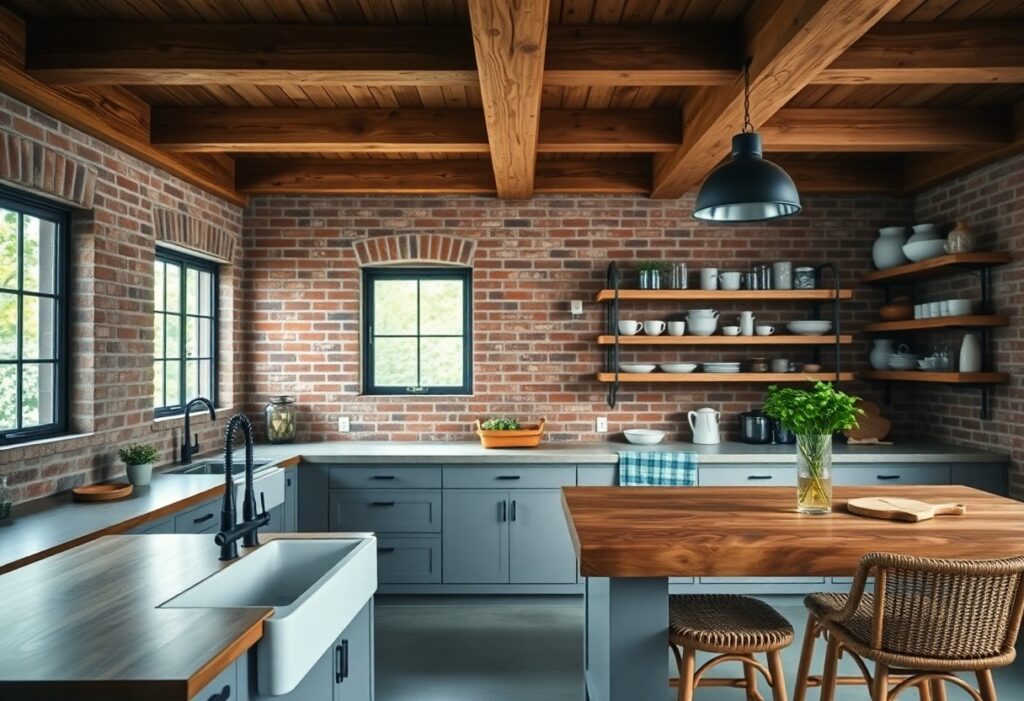
Modern rustic design blends raw, natural elements with clean architectural lines, creating spaces that feel both grounded and refined. You’re not choosing between old-world charm and contemporary simplicity-you’re merging them. Exposed beams meet flat-paneled cabinetry, while stone accents sit beside recessed lighting. The result is a kitchen that breathes warmth without sacrificing order.
Balancing Natural Textures with Minimalist Design
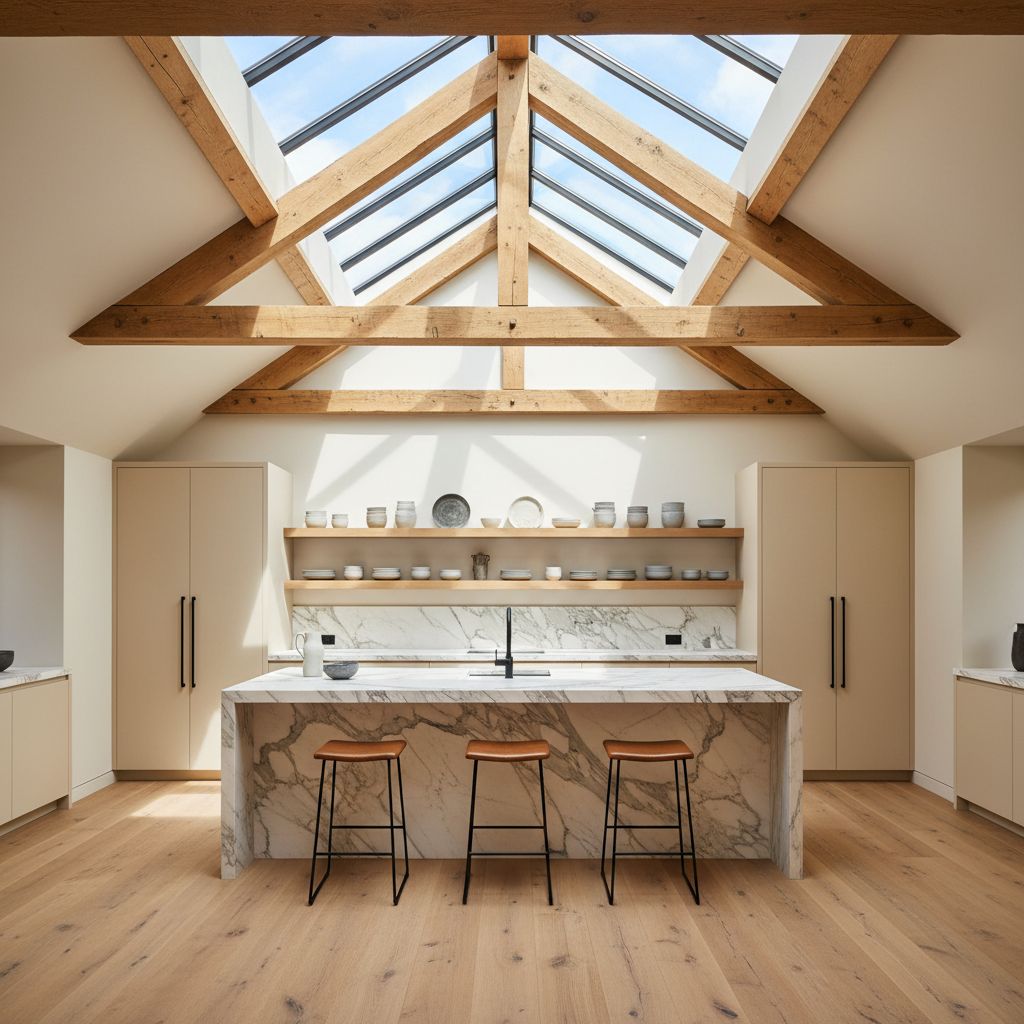
Wood grain, honed stone, and hand-thrown ceramics bring tactile depth to your kitchen, but their impact depends on restraint. You allow a reclaimed oak island to stand as a focal point, not by crowding it with accessories, but by pairing it with handleless cabinets and flush fixtures. The contrast between rough and smooth, aged and new, becomes the quiet rhythm of the room.
The Core Principles of Warm Modernity
Neutral backdrops, organic materials, and intentional lighting form the foundation of warm modernity. You choose matte finishes over gloss, warm grays over cool tones, and indirect illumination over harsh overheads. A muted palette doesn’t mean emptiness-it creates space for texture and form to speak with clarity and calm.
Warm modernity avoids sterility by anchoring sleek surfaces in human-scale details. You might install a fluted wood hood surround or a soapstone countertop with subtle veining, elements that age gracefully and carry quiet character. Open shelving in rift-cut oak, arranged with deliberate spacing, displays ceramics without becoming clutter. The design respects function but never ignores how light shifts across a surface at different times of day, or how the grain of wood guides the eye. A mid-sized SaaS firm’s executive kitchen in Portland uses this approach, where a monolithic island in white oak rests on steel legs with a matte black finish, proving that warmth and precision can coexist without compromise.
Popular Types of Modern Rustic Kitchens
Modern rustic kitchens blend raw textures with refined design, offering varied interpretations based on regional influences and material choices. You can explore reclaimed wood accents, exposed beams, and matte metal finishes across distinct substyles. Recognizing
| Industrial Rustic | Steel fixtures, concrete floors, open ductwork |
| Coastal Rustic | Weathered wood, soft neutrals, natural linen textiles |
| Farmhouse Rustic | Apron-front sink, shiplap walls, wide-plank flooring |
| Mountain Rustic | Stone walls, log elements, antler-inspired hardware |
| Scandinavian Rustic | Light wood tones, minimalist lines, functional storage |
The Industrial Rustic Fusion
You incorporate exposed brick and ductwork alongside salvaged timber cabinetry to achieve an urban edge. Metal bar stools and pendant lighting with blackened steel finishes reinforce the loft-inspired aesthetic. Recognizing
Coastal and Farmhouse Variations
You favor soft whites, beadboard paneling, and slipcovered seating to evoke relaxed charm. Natural light enhances pale oak floors and whitewashed cabinetry. Recognizing
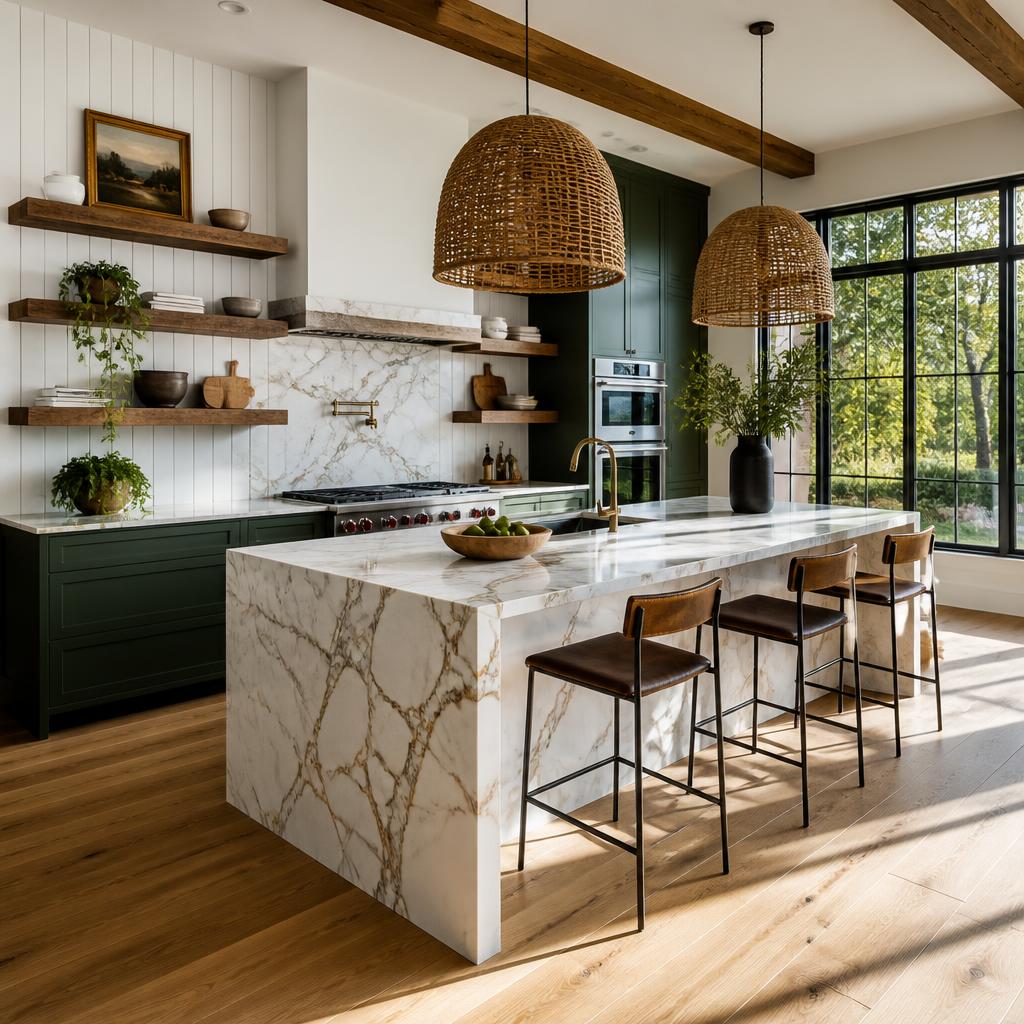
Coastal rustic leans into breezy simplicity with driftwood accents and woven rope details, while farmhouse rustic emphasizes functionality through deep farmhouse sinks and walk-in pantries. A mid-sized SaaS firm’s executive kitchen in Maine uses beadboard walls paired with a reclaimed pine island to balance warmth and order. These variations thrive in homes near water or rural settings where authenticity and comfort take precedence over formality.
Essential Factors for Material Selection
Material choices define both the character and longevity of your modern rustic kitchen. Prioritize durability, natural texture, and sustainability when evaluating options. Reclaimed wood, stone, and high-performance composites offer balance between authenticity and function. The
- reclaimed wood ages gracefully with use
- natural stone adds unique, one-of-a-kind patterning
- low-VOC finishes support healthier indoor air quality
- heat-resistant surfaces withstand daily kitchen demands
Choosing Durable Reclaimed Wood and Stone
Reclaimed barn wood or salvaged beams bring history and depth to cabinetry and shelving. Their weathered grain and structural integrity often exceed new lumber. Pair with thick-cut limestone or soapstone countertops for a grounded, organic foundation. The
Integrating High-Performance Modern Surfaces
Engineered quartz and sintered stone mimic natural materials while resisting stains and cracks. These surfaces support the rustic vision without demanding excessive upkeep. Ideal for busy households, they blend invisibly with raw wood and stone elements. The
Quartzite, while natural, offers a modern advantage with its extreme hardness and resistance to scratching. Unlike softer stones, it maintains its luster even under frequent use. Pair a honed finish with open-grain oak cabinetry to soften its polished appearance. A mid-sized SaaS firm renovating their office kitchen chose this combination to balance professionalism and warmth. The
A Step-by-Step Guide to Implementation
Transforming your kitchen into a modern rustic space requires careful sequencing, from layout decisions to final finishes. Follow this structured approach to balance authenticity with functionality while avoiding common design pitfalls.
| Step | Action |
| 1 | Define layout and flow based on daily usage patterns |
| 2 | Select a warm, earth-toned color palette with neutral anchors |
| 3 | Install statement lighting as a central design anchor |
| 4 | Integrate natural materials like reclaimed wood and stone |
| 5 | Add handcrafted accessories for texture and character |
Planning the Layout and Color Palette
Begin by assessing how you use the space, ensuring clear work zones and easy movement. Choose a color scheme rooted in nature-think warm grays, creamy whites, and soft sage-avoiding overly cool tones that can undermine the warmth vital to the style.
Installing Focal Points and Statement Lighting
Position a standout piece, such as a live-edge island or farmhouse sink, to draw the eye and define the space. Overhead, a wrought iron chandelier or oversized wooden pendant adds immediate character and vertical emphasis.
Lighting in a modern rustic kitchen does more than illuminate-it shapes atmosphere. Select fixtures with raw finishes like blackened steel or hand-forged iron, and consider scale carefully; a fixture that’s too small gets lost, while one that’s too large overwhelms. A well-placed piece above the island can become the room’s heartbeat, especially when paired with warm-toned bulbs that enhance wood and stone surfaces.
Expert Tips for Decor and Finishing Touches
Balance raw textures with curated details to refine your modern rustic kitchen. Incorporate reclaimed wood, blackened steel, and hand-thrown ceramics for authentic character. Anchor the space with a farmhouse sink and artisanal lighting. Perceiving
- the interplay of old and new as a design rhythm, not a clash
- texture as a silent guide-rough stone against smooth linen cabinetry
- finishing touches like linen towels or a single ceramic vase as quiet focal points
Mixing Vintage Accents with Sleek Appliances
A vintage breadboard on a quartz countertop grounds high-gloss appliances in warmth. Pair a retro-style refrigerator with unlacquered brass pulls on matte cabinets. The contrast between a 1940s-style clock and a touchless faucet adds narrative depth.
Utilizing Open Shelving for Functional Styling
Open shelves display everyday dishware as part of the design, reducing visual weight in smaller kitchens. Use thick walnut planks with iron brackets for structural honesty. Keep items edited-a stack of stoneware bowls, a copper pot.
Open shelving works best when curated with intention, not overcrowded. Leave negative space between objects to emphasize form and function. In a mid-sized SaaS founder’s kitchen renovation, alternating open sections with closed cabinetry improved workflow while showcasing a collection of hand-glazed mugs. The shelves, spaced 14 inches apart, accommodate tall jars without crowding the line of sight.
Evaluating the Pros and Cons of the Style
Modern rustic design blends warmth and simplicity, but it demands thoughtful consideration. While its enduring charm appeals to many homeowners, the practical realities of material upkeep and design balance can influence long-term satisfaction. Your choice hinges on aligning aesthetics with lifestyle needs and maintenance willingness.
| Timeless visual appeal | Resists short-term trend fatigue, maintaining relevance across years |
| Natural material authenticity | Wood, stone, and metal offer unmatched texture and depth |
| Warm, inviting atmosphere | Creates a comfortable, lived-in feel ideal for family spaces |
| High initial material cost | Reclaimed wood and natural stone often carry premium pricing |
| Maintenance intensity | Unsealed wood and stone may require regular sealing and care |
| Limited design flexibility | Straying from core materials can disrupt visual cohesion |
| Dust and wear visibility | Raw textures and neutral tones highlight everyday use |
| Climate sensitivity | Wood may expand or crack in humid or dry environments |
| Weight and structural demands | Stone countertops or heavy beams may require reinforced supports |
| Slower renovation timelines | Custom milling or sourcing natural materials extends project duration |
The Advantages of Timeless Visual Appeal
You benefit from a design that avoids fleeting trends, with neutral palettes and natural finishes that age gracefully. This enduring quality means your kitchen remains visually cohesive even after years of use, reducing the need for costly updates or full remodels down the line.
Challenges in Maintaining Natural Elements
You face ongoing care with organic materials that react to moisture, sunlight, and daily wear. Unfinished wood surfaces and porous stone countertops require consistent sealing and gentle cleaning to prevent staining or degradation over time.
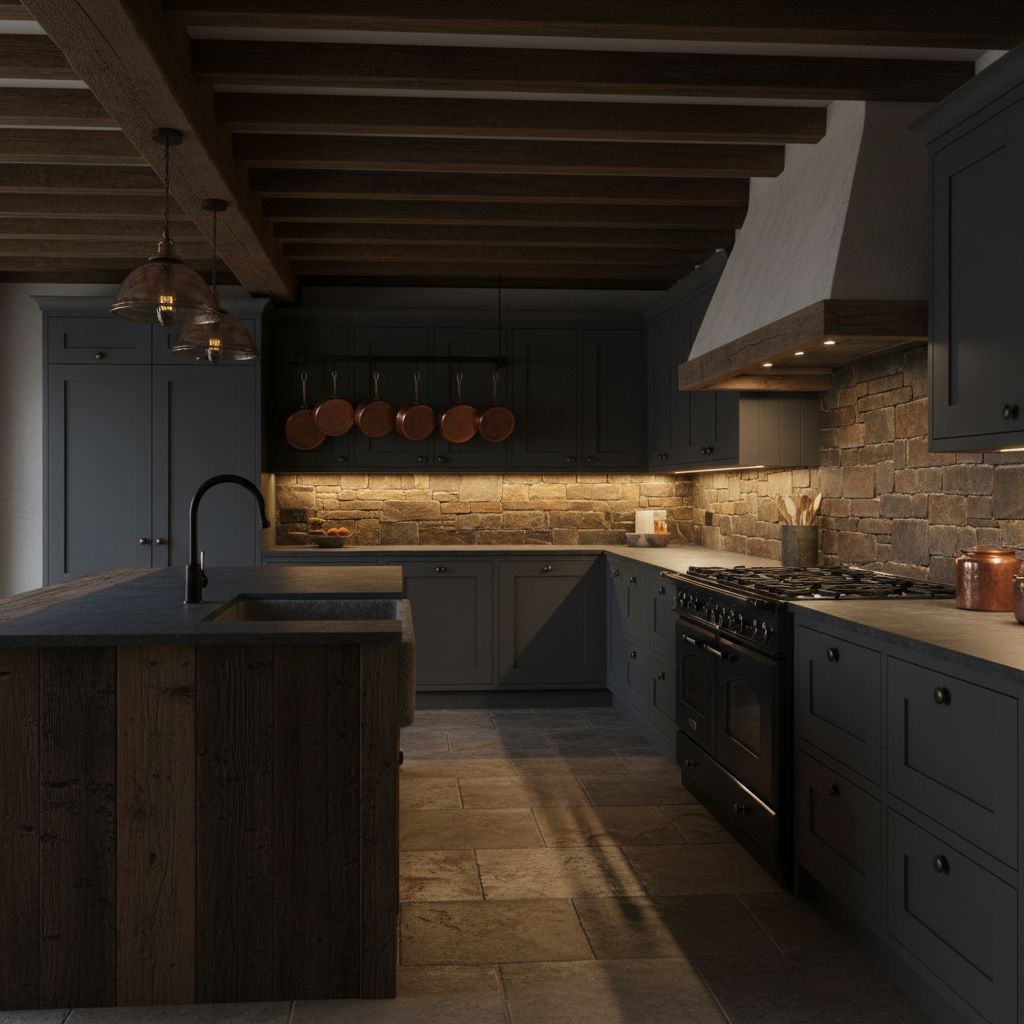
Wooden beams and exposed cabinetry in high-moisture areas may develop warping if not properly treated, especially in regions with fluctuating humidity. Stone floors, while durable, can etch when exposed to acidic substances like vinegar or lemon juice. Your routine must include pH-neutral cleaners and protective treatments to preserve the integrity of these surfaces, ensuring they retain both beauty and function across seasons.
Final Words
You achieve a modern rustic kitchen by balancing raw, natural materials with clean, intentional design choices. Exposed wooden beams paired with minimalist cabinetry, or a farmhouse sink set beneath a sleek quartz countertop, illustrate how contrast defines the style. Your choice of finish on fixtures, the texture of stone or brick elements, and the warmth of hand-hewn wood all contribute to a space that feels both grounded and refined. A mid-sized SaaS firm’s executive kitchen in Portland used this blend to create an inviting break area that mirrors the region’s architectural character. You maintain authenticity not through replication but through thoughtful curation, letting each material speak for itself. The result is a kitchen that ages gracefully, where fingerprints on a well-oiled oak table or patina on iron hardware become part of its story.
FAQ
Q: What defines a modern rustic kitchen compared to a purely rustic or modern one?
A: A modern rustic kitchen balances raw, natural textures with clean architectural lines and minimalist functionality. Unlike traditional rustic kitchens that lean heavily on log beams, wrought iron, and country motifs, the modern version strips away excess ornamentation. Materials like reclaimed wood appear alongside flat-panel cabinetry, integrated appliances, and recessed lighting. The result is warmth without clutter, such as a farmhouse sink paired with a quartz countertop and handleless cabinets, blending comfort with contemporary precision.
Q: Can modern rustic design work in a small kitchen?
A: Yes, modern rustic styling adapts well to compact spaces by prioritizing light and texture over bulk. Using pale wood tones on open shelving or a single accent wall prevents the room from feeling closed in. A small galley kitchen might feature shiplap on one side, a live-edge walnut shelf, and matte black fixtures to maintain visual interest without overcrowding. Light-reflective surfaces like white subway tile or light gray concrete countertops enhance the sense of space while grounding the design in rustic authenticity.
Q: What wood species are most suitable for modern rustic cabinetry and flooring?
A: Oak, walnut, and hickory are top choices due to their grain character and durability. White oak offers a refined, even texture that pairs well with modern fixtures, while blackened walnut introduces depth and contrast. Reclaimed barn wood is often used for island cladding or ceiling beams, adding history and variation. For flooring, wire-brushed oak with a matte finish resists scratches and emphasizes grain, maintaining a lived-in look that aligns with the aesthetic’s authenticity.
Q: How do lighting choices influence the modern rustic kitchen atmosphere?
A: Lighting bridges the gap between industrial simplicity and organic warmth. Pendant lights made of blackened steel, ceramic, or hand-blown glass above an island provide focal points without overpowering the space. Recessed ceiling lights with warm dimmable LEDs ensure functionality, while under-cabinet lighting highlights natural stone or wood surfaces. A cluster of three matte black drum pendants over a butcher block island, for example, adds rhythm and scale while reinforcing the style’s understated craftsmanship.
Q: Are modern rustic kitchens practical for families with children or frequent cooking?
A: These kitchens can be highly functional when materials are chosen with wear in mind. Quartz or soapstone countertops resist stains and scratches better than marble, making them ideal for busy households. Cabinet finishes with a light protective sealant withstand moisture and cleaning. A mid-sized SaaS firm founder in Portland retrofitted their 1920s home kitchen with a modern rustic layout, opting for a commercial-grade range, deep stainless steel sink, and easy-to-clean matte lacquer cabinetry-all while preserving exposed brick and a reclaimed wood ceiling beam. The design supports daily family use without sacrificing aesthetic cohesion.