
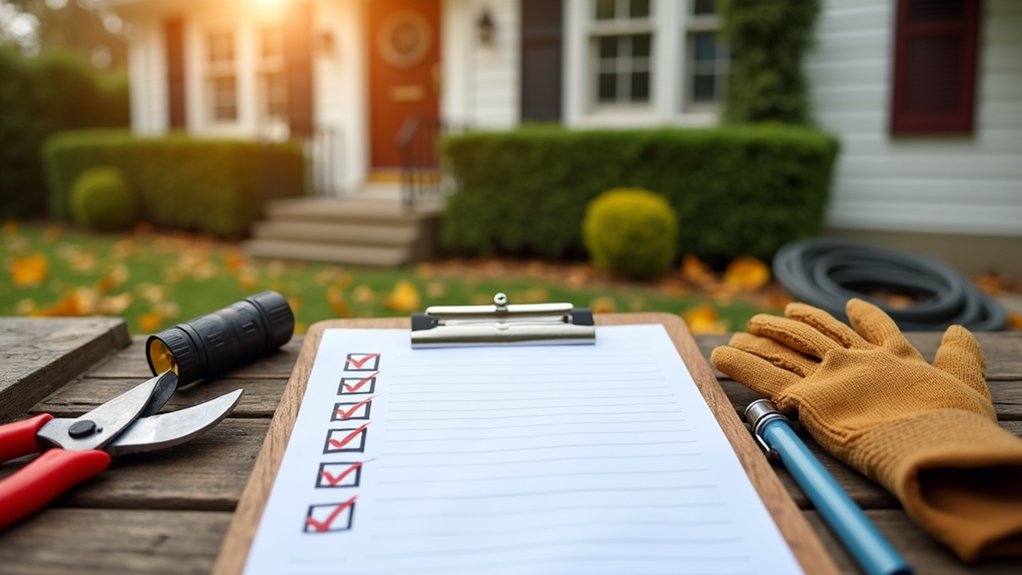
Create a seasonal exterior home-care checklist by dividing tasks across spring, summer, fall, and winter, then schedule inspections, cleaning, repairs, and safety checks for each period. Start by documenting winter damage, clearing gutters, inspecting the roof and siding, sealing gaps, trimming vegetation, and winterizing pipes and equipment. Record completion dates, required tools, and unresolved issues in a calendar or spreadsheet. A careful walk around your property can also reveal hidden problems before they become costly.
Key Takeaways
- Divide tasks by season: spring cleanup, summer inspections, fall preparation, and winterizing.
- Include routine checks for roofs, siding, gutters, drainage, windows, doors, and exterior equipment.
- Add safety tasks, including trimming hazardous branches, checking walkways, testing alarms, and improving outdoor lighting.
- Record completion dates, photographs, damage locations, repairs, materials, and follow-up needs.
- Prioritize leaks and safety hazards, and schedule qualified professionals for structural, electrical, gas, or extensive damage.
Build a Seasonal Exterior Home Maintenance Checklist

To build a seasonal exterior home maintenance checklist, divide tasks by season and organize them by safety, weather exposure, and urgency.
List spring duties such as cleaning gutters, testing hose connections, and checking irrigation controls.
Schedule summer tasks for garden landscaping, including trimming vegetation away from siding, windows, and utility equipment.
Add fall reminders to clear leaves, secure outdoor furniture, and inspect exterior lighting for damaged fixtures or exposed wiring.
Reserve winter preparation for shutting off vulnerable water lines, storing hoses, and confirming that walkways have adequate illumination.
Assign each task a frequency, required tools, and a completion date.
Mark electrical, ladder, and chemical hazards clearly, and wear appropriate protective equipment.
Keep the checklist accessible digitally and on paper, then update it after every completed inspection or maintenance cycle.
Inspect Winter Damage and Plan Repairs
When winter ends, inspect the exterior for damage before scheduling repairs or resuming routine maintenance. Walk the property carefully, watching for unstable branches, loose siding, cracked masonry, lifted shingles, damaged flashing, and sagging gutters.
Keep clear of downed power lines, flooded areas, and structures that appear unstable. From the ground, use binoculars to examine roof surfaces; don’t climb until you’ve confirmed the ladder and roof are safe.
Photograph each problem, record its location, and note signs of water entry, mold, or structural movement. Contact qualified contractors for hazardous conditions or emergency repairs, and don’t attempt electrical or structural work yourself.
Review your policy before making temporary fixes, since detailed documentation can support insurance claims. Rank repairs by safety, leak prevention, and potential escalation, then schedule licensed professionals.
Clean and Prepare Outdoor Spaces for Spring
Once winter damage has been documented, clear leaves, branches, and other debris from patios, walkways, decks, driveways, and drainage areas.
Wear gloves, sturdy footwear, and eye protection, and watch for nails, ice, unstable branches, or concealed trip hazards.
Sweep hard surfaces, then rinse them with a hose or pressure washer using a suitable setting to prevent surface damage.
Remove weeds from joints and repair loose pavers or boards before regular use.
Check outdoor furniture for rust, splinters, mold, and structural weakness; clean and secure each piece.
Refresh planting beds by removing dead growth, loosening compacted soil, and adding appropriate mulch without covering stems.
Review your garden design for safe circulation and drainage.
Test outdoor lighting, replace damaged fixtures, and confirm cords and connections remain weather-rated and protected.
Dispose of waste according to local requirements.
Clean and Inspect Siding, Roofs, and Gutters
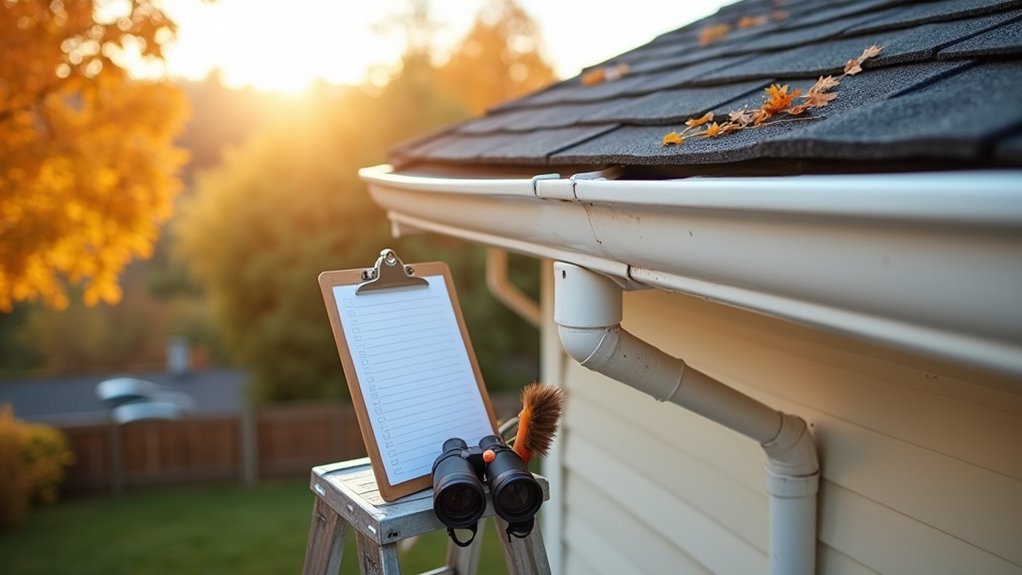
Inspect your siding for cracks, rot, loose panels, and damaged caulking before moisture causes further deterioration. Check roof shingles for curling, missing sections, or exposed underlayment, and use a ladder only with proper stabilization and fall protection.
Clear gutters and downspouts of debris, then examine them for sagging, leaks, and loose fasteners.
Inspect Siding for Damage
Check your siding for cracks, warping, loose panels, gaps, stains, or areas with peeling paint, especially around windows, doors, and corners.
Identify the Siding material before choosing a repair method; vinyl, wood, fiber cement, and metal require different products and techniques.
During your Damage assessment, press gently on questionable areas to find softness that may indicate hidden moisture or rot.
Inspect seams, caulking, trim, and fasteners for separation, corrosion, or missing pieces.
Don’t climb ladders without stable footing, a spotter, and appropriate fall protection.
Use gloves and eye protection when handling damaged material.
Photograph problem areas and record their locations so you can track changes.
Replace or repair minor damage promptly, but contact a qualified professional if you find extensive deterioration, structural movement, or suspected mold.
Keep water away from exposed sheathing until repairs begin.
Check Roof Shingles
With the siding assessed, examine the roof shingles for missing, cracked, curled, lifted, or heavily granulated areas. These defects can expose the underlayment and reduce shingle durability, especially after storms, freeze-thaw cycles, or prolonged sun exposure.
From the ground, use binoculars to scan ridges, valleys, flashing, and roof penetrations. Don’t walk on the roof unless you’re trained, properly equipped, and conditions are dry; steep slopes and loose roofing materials create serious fall hazards.
If you inspect from a ladder, place it on stable, level ground, maintain three points of contact, and keep clear of power lines.
Note dark streaks, exposed fasteners, sagging sections, or displaced components. Photograph concerns from a safe location, then contact a qualified roofer for repairs.
Never remove shingles or disturb flashing during a routine check.
Clear and Examine Gutters
Before clearing gutters, position a stable ladder on level ground and keep it away from power lines. Wear gloves and eye protection, and never overreach; climb down and reposition the ladder instead.
Remove Gutter debris with a scoop, placing it in a bucket rather than dropping it near the foundation.
Flush each gutter with a hose, watching for leaks, loose hangers, sagging sections, and separated seams.
Check that downspouts remain firmly attached and discharge water several feet from the foundation.
Test Downspout drainage by running water through the system; clear blockages with a plumber’s snake or hose pressure, not sharp tools that could damage joints.
Replace cracked outlets, rusted fasteners, or damaged extensions promptly.
If the roof edge is unsafe or the ladder can’t reach securely, hire a qualified professional.
Protect Your Home From Summer Heat and Storms
How can you prepare your home for summer’s heat and severe weather? Start with heat protection. Inspect attic insulation and ventilation, then seal gaps around windows and doors to limit heat transfer and reduce cooling costs. Clean air-conditioning filters and keep outdoor units clear of debris, but shut off power before servicing equipment.
Before summer storms arrive, inspect the roof for damaged shingles, loose flashing, and deteriorated seals. Secure window screens, shutters, and outdoor furniture, and trim weak branches that could strike the house. Test your sump pump, check your emergency lighting, and confirm that smoke and carbon-monoxide alarms work.
Keep drains and downspouts clear so heavy rain can flow away from the foundation. During lightning, stay indoors, unplug sensitive electronics, and never use plumbing until the storm passes.
Prepare the Exterior for Fall Weather
As temperatures drop, inspect the exterior for conditions that could worsen during fall rain, wind, and freezing weather. Clear leaves, pine needles, and debris from gutters, downspouts, roof valleys, and window wells so water drains away from the foundation.
Check flashing, siding, caulking, and roof shingles for gaps, cracks, or lifting; repair defects before storms arrive. Trim dead, weak, or overhanging branches, and secure loose furniture, decorations, and planters.
Review seasonal landscaping: maintain safe clearance around walls, vents, meters, and walkways, while removing diseased growth.
Test outdoor lighting, replace failed bulbs, and clean fixtures to improve visibility on wet, darker evenings.
Inspect steps, railings, and walkways for slippery moss, uneven surfaces, or loose components. Correct hazards promptly, and use stable ladders and appropriate protective equipment during inspections and repairs.
Winterize Outdoor Pipes, Plants, and Equipment
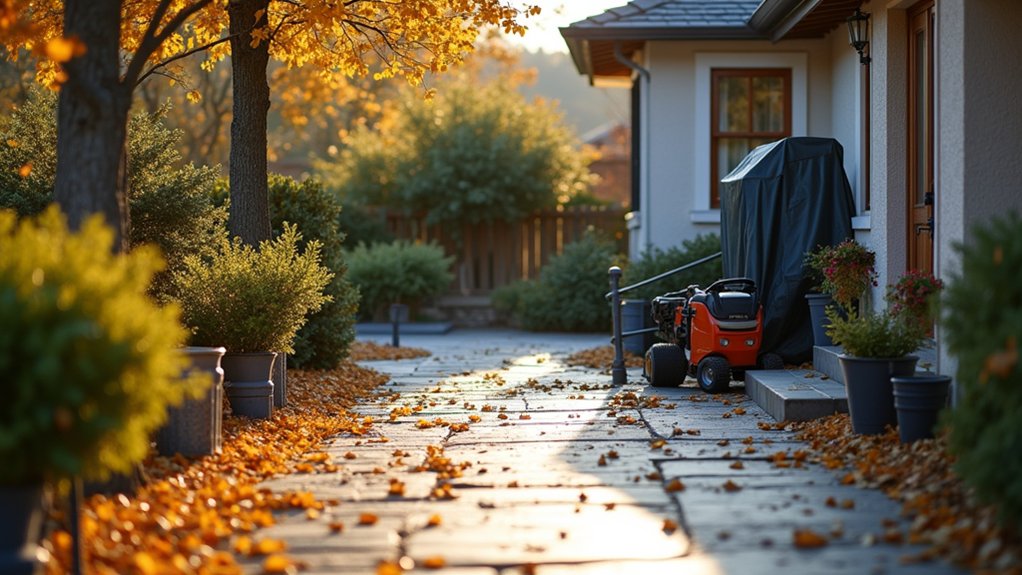
Winterize outdoor pipes by shutting off water supplies, draining lines, and insulating exposed sections to prevent freezing and bursts.
Protect plants with suitable covers or mulch, while moving vulnerable containers indoors.
Clean, drain, and store equipment safely according to each manufacturer’s instructions.
Protect Outdoor Pipes
Before freezing temperatures arrive, protect outdoor pipes by shutting off the water supply, disconnecting hoses, draining exposed lines, and insulating vulnerable valves and fittings.
Open exterior faucets after shutting off their supply so trapped water can escape. Remove, drain, and store hose bib attachments; don’t leave pressure against valves.
For frost prevention, install insulated faucet covers, but verify that each faucet drains properly first.
Wrap exposed supply lines with rated pipe insulation, securing seams with weather-resistant tape without compressing the material.
Seal gaps where pipes enter walls to block cold air, while preserving required ventilation and access.
If a line can’t drain completely, use electric heat cable listed for that pipe and install it according to the manufacturer’s instructions.
Never use an open flame or unattended heating device.
Check insulation after storms and repair damage promptly.
Prepare Plants and Equipment
Once outdoor pipes are protected, prepare plants and equipment for cold weather by moving tender potted plants indoors or into a sheltered area. Cleaning and draining powered equipment, and storing tools under cover are also important steps.
Check plant varieties for cold tolerance, then mulch hardy plants after the soil cools, keeping mulch away from stems to prevent rot. Water established plants deeply before the ground freezes, but don’t saturate frozen soil.
Inspect containers for cracks, elevate them to improve drainage, and protect roots with insulation.
Clean garden tools, dry metal surfaces, and apply a light rust inhibitor. Disconnect batteries, remove fuel according to the manufacturer’s instructions, and service engines in a ventilated area.
Wear gloves and eye protection, and never store gasoline near heat sources. Secure lightweight equipment against wind and snow.
Track Repairs and Know When to Call a Pro
Track each exterior repair with the date, location, materials used, and any follow-up needed so you can spot recurring problems and plan maintenance.
Photograph cracks, leaks, damaged siding, and loose railings before and after repairs. Note weather conditions and monitor patched areas after rain, freezing temperatures, or high winds.
Handle minor DIY projects only when you have the right tools, stable footing, and adequate skill. Follow label directions, wear protective equipment, isolate electrical circuits, and use ladder safety precautions.
Call a pro when damage affects structural framing, roofing underlayment, electrical wiring, gas lines, or elevated work beyond your safe reach.
Hire licensed specialists for persistent moisture, foundation movement, extensive mold, or repairs requiring permits.
Keep invoices, warranties, and inspection reports with your checklist, and schedule unresolved issues before the next season.
Frequently Asked Questions
How Much Does a Seasonal Exterior Home Maintenance Checklist Typically Cost?
You’ll typically spend $0–$50 creating a seasonal checklist yourself, excluding repairs. Factor landscaping budget and equipment costs separately. Professional inspections may cost $100–$300; prioritize ladders, electrical hazards, drainage, and weather-related risks.
Which Exterior Home Maintenance Tasks Require Permits or Homeowners Association Approval?
You’ll typically need permits for structural changes, roofing, decks, retaining walls, drainage, or major electrical work; check local Landscaping regulations and Fence installation permits, while your HOA may approve colors, fencing, landscaping, solar equipment, and exterior alterations.
How Can Renters Adapt a Seasonal Exterior Home Care Checklist?
Adapt Renters’ responsibilities by reviewing your lease, reporting hazards, and obtaining landlord approval before outdoor work. Follow Exterior upkeep tips: inspect accessible areas, clear debris safely, document damage, and avoid roofs, ladders, or electrical systems.
What Safety Gear Should Homeowners Use During Exterior Maintenance?
Use Personal protective equipment: wear safety glasses, gloves, non-slip footwear, hearing protection, and a dust mask when needed. Practice ladder safety: inspect it, secure it, maintain three-point contact, and avoid overhead hazards.
How Can Smart Home Technology Simplify Seasonal Exterior Maintenance Reminders?
Smart alerts can reduce missed maintenance by 40%, prompting you to inspect roofs, gutters, and siding. Use automated scheduling to assign recurring tasks, verify completion, and address hazards before weather worsens or damage spreads.
Conclusion
A seasonal exterior checklist keeps your home maintained like a well-tuned system. Walk the property each season, inspect roofs, siding, gutters, drainage, seals, and outdoor equipment, and record findings in a calendar or spreadsheet. Address small defects before water, wind, heat, or freezing temperatures worsen them. Use proper protective equipment, stay off unsafe roofs, and shut off water before winterizing pipes. If damage exceeds your skills or tools, call a qualified professional promptly.