
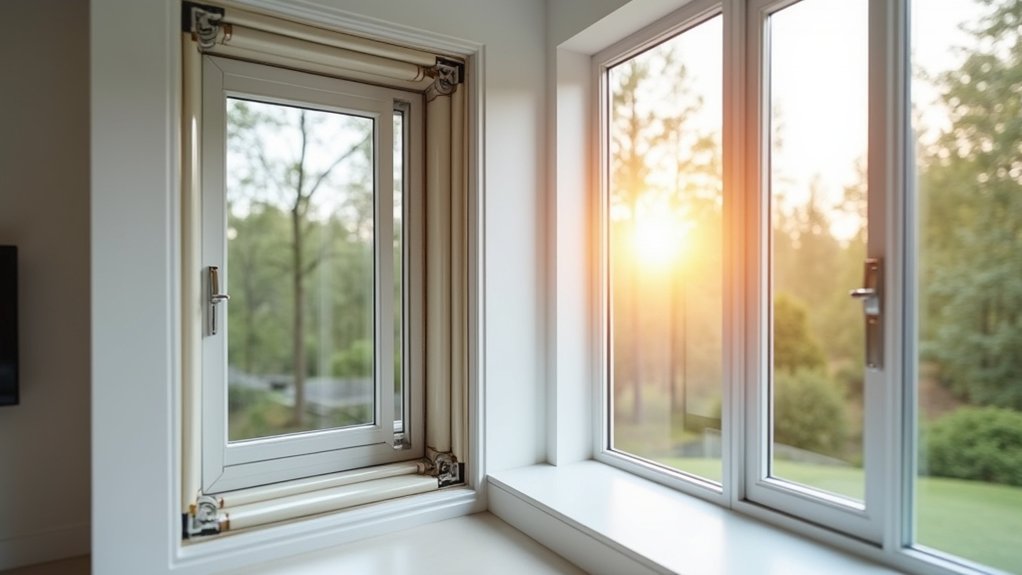
Is triple glazing really the best choice for your home, or can double glazing deliver similar results? Your decision depends on heat loss, window orientation, local climate, noise levels, frame strength, and installation costs. Double glazing suits many properties, while triple glazing can improve insulation and comfort in colder or exposed locations. The differences become clearer when you compare energy efficiency, security, sound reduction, and long-term value.
Key Takeaways
- Double glazing uses two panes, while triple glazing adds a third pane and cavity for improved insulation and lower U-values.
- Triple glazing generally provides better noise reduction, comfort, and energy efficiency, especially in cold, exposed, or noisy locations.
- Double glazing is lighter, less expensive, and more compatible with existing frames, making it suitable for many homes.
- Triple glazing costs approximately 10–30% more and may require stronger frames, hinges, or structural modifications.
- Choose glazing room-by-room: triple glazing suits bedrooms and busy-road elevations, while double glazing may suit sunny rooms with solar-control glass.
Double vs Triple Glazing: Key Differences
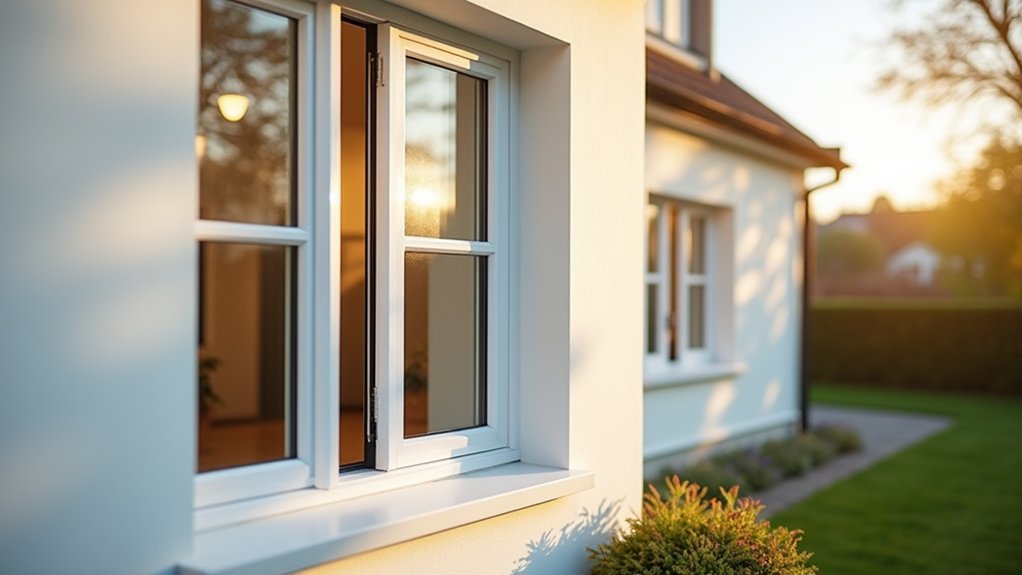
Double glazing uses two panes of glass separated by an insulating gap, while triple glazing adds a third pane and a second sealed gap. This extra layer increases the unit’s thickness, weight, and material requirements, so you’ll need compatible frames and stronger hardware.
Frame material matters: uPVC, timber, and aluminium systems have different cavity depths, strength, maintenance needs, and installation limits.
Glass types also affect specifications. You can choose low-emissivity coatings, toughened glass, laminated glass, or acoustic glass, depending on safety and performance requirements.
Triple-glazed units typically cost more and may require replacement frames rather than simple glass upgrades.
Check the window manufacturer’s maximum unit thickness, sash capacity, drainage design, and warranty conditions before ordering. A qualified installer can confirm accurate measurements and suitability.
How Double Glazing Keeps Homes Comfortable
Beyond frame compatibility and specification, double glazing improves comfort by slowing heat transfer through the window. Two panes separated by an insulating cavity reduce heat loss during winter, helping rooms stay warmer and easing pressure on your heating system.
In summer, the same barrier limits heat entering from outside, so interiors feel cooler and more stable. The sealed unit also reduces cold downdraughts near the glass, while warmer internal surfaces help minimise condensation when indoor humidity remains controlled.
During the installation process, your installer should create an airtight, properly sealed fit around each frame; gaps can undermine thermal performance. You’ll also notice fewer temperature fluctuations beside the window, improving everyday comfort.
Slim frames and balanced proportions can preserve your home’s window aesthetics while delivering practical insulation for living spaces.
What Extra Benefits Does Triple Glazing Offer?
Triple glazing adds a third glass pane and another insulating cavity, helping you reduce heat transfer more effectively.
You’ll also benefit from superior noise reduction, as the additional layers limit external sound transmission.
These improvements can make your home warmer, quieter, and more energy efficient.
Enhanced Thermal Efficiency
Although double glazing can reduce heat loss considerably, triple glazing provides an additional insulating layer that helps keep your home warmer in winter and cooler in summer. The third pane lowers the window’s U-value, so less heat escapes through the glass. You’ll typically use less energy for heating, while internal surfaces stay warmer and reduce cold spots near the window.
In warmer months, improved insulation can also limit heat entering your rooms, supporting more consistent indoor temperatures. Your results depend on the window frame, spacer bars, gas fills, and glazing materials. Choose thermally broken frames and low-emissivity coatings to improve performance further.
Although triple glazing costs more initially, reduced heating and cooling demand may offset part of the investment over time. Proper installation remains essential: gaps or poor sealing can undermine the unit’s thermal efficiency.
Superior Noise Reduction
If outside noise affects your comfort, triple glazing can create a quieter indoor environment by adding another glass pane and sealed insulating cavity. This extra layer helps reduce sound transmission from traffic, aircraft, construction, and neighborhood activity.
You’ll notice the greatest improvement when the unit combines different glass thicknesses, acoustic laminates, quality spacers, and properly sealed frames. Triple glazing won’t eliminate every sound, because walls, vents, doors, and installation gaps also influence indoor noise levels.
However, it can deliver meaningful soundproofing benefits in busy urban areas or homes near major roads. Reduced external noise may also improve sleep, concentration, and relaxation.
As an additional privacy enhancement, quieter rooms make conversations less exposed to outside listeners, while limiting the intrusion of surrounding activity. Choose acoustic specifications based on your property’s dominant noise source.
Which Is More Energy Efficient?
To compare energy efficiency, you’ll need to assess how effectively each glazing option retains heat inside your home.
Triple glazing typically achieves a lower U-value, indicating stronger insulation and reduced heat transfer than double glazing.
However, your window design, frame material, and installation quality also affect overall performance.
Heat Retention Comparison
Triple glazing retains more heat than double glazing because its third pane and additional sealed cavity reduce the amount of heat escaping through the glass. You’ll notice warmer interior surfaces, fewer cold spots, and more consistent room temperatures, especially beside large windows or external walls.
This can reduce how often your heating system runs, helping you use less energy during colder months. However, the glass isn’t the only factor affecting results. Window frame materials, such as thermally broken aluminium, uPVC, or timber, influence overall heat retention.
Your installation process matters too: accurate measurements, continuous seals, and correct alignment prevent draughts that can undermine the glazing upgrade.
Triple glazing usually offers the strongest retention in exposed, cold locations, while double glazing may provide sufficient performance in milder climates or well-insulated homes.
U-Value And Insulation Performance
U-value measures how quickly heat passes through a window, so a lower rating indicates better insulation and energy efficiency. Double glazing typically has two panes separated by an insulating gas layer, while triple glazing adds a third pane and another sealed cavity.
As a result, triple glazing usually achieves a lower U-value, reducing heat loss and improving comfort near windows. You’ll often gain greater energy savings, particularly in colder climates or homes with large glazed areas.
However, compare complete-window U-values, not centre-pane figures, because frames, spacers, and seals affect performance.
Triple glazing also brings installation challenges: it’s heavier, thicker, and may require stronger frames, hardware, and structural support.
Double glazing can deliver excellent efficiency at a lower purchase and installation cost.
Choose based on your climate, orientation, budget, and existing window condition.
Which Option Reduces Noise and Improves Security?
When reducing outside noise and improving security are priorities, both double and triple glazing can help, but the result depends on the glass specification, frame strength, and installation quality.
Triple glazing adds another pane, which can reduce traffic and neighbourhood noise, particularly when manufacturers use different glass thicknesses and wider cavities. However, laminated acoustic glass may outperform standard triple units for specific frequencies.
For security, laminated glass holds together when cracked, while toughened glass resists impact but can shatter into small pieces. You’ll also benefit from robust, multi-point locks, reinforced frames, and correctly fitted hinges.
Ask your installer to assess weak points, including doors and opening vents, rather than focusing only on pane numbers. A well-planned window design can preserve aesthetic appeal while delivering quieter, harder-to-force openings.
How Much Does Each Option Cost?
Several factors affect the cost of double and triple glazing, including the window size, frame material, glass specification, opening style, and installation requirements.
Generally, triple glazing costs more because it uses an additional pane, extra spacer, and a stronger frame. As a practical cost comparison, you’ll often pay around 10–30% more for triple glazing than an equivalent double-glazed unit, although prices vary between suppliers and configurations.
Your quotation should separate product, labour, removal, disposal, and finishing costs.
The installation process may also cost more if triple-glazed units require specialist handling, upgraded hinges, or reinforced frames.
Ask each installer for an itemised quote covering the same window dimensions and specifications.
Check the warranty, energy-performance rating, hardware, and guarantee before comparing totals, so you’re evaluating equivalent products rather than headline prices alone.
Will Triple Glazing Suit Your Home?
Triple glazing can suit your home if you want lower heat loss, improved comfort, and better noise reduction, but your property must be able to accommodate its heavier, deeper units. Check your existing frames, hinges, sills, and wall reveals before choosing this upgrade.
Older frames may need replacement because they mightn’t support the additional weight or required glazing thickness. You’ll also need to assess ventilation, drainage, and the condition of surrounding masonry.
Installation complexity can increase in period properties, unusual openings, or upper-floor locations, so use a qualified installer to verify structural compatibility and accurate measurements.
Consider window aesthetics, too: triple-glazed units can look bulkier, and altered sightlines may affect your home’s appearance.
If your frames and structure are suitable, triple glazing can provide a practical long-term improvement.
Which Glazing Is Best for Each Room?
The best glazing choice depends on each room’s heat-loss risk, orientation, noise exposure, and ventilation needs. Choose triple glazing for north-facing bedrooms, nurseries, and living rooms where warmer internal surfaces and lower heat transfer improve comfort. It also suits homes beside busy roads, especially when you specify acoustic glass and suitable frames.
Double glazing often works well in south-facing rooms, kitchens, utility areas, and extensions, where solar gain, steam, and frequent ventilation can matter more than maximum insulation. Use solar-control glass on large sunny elevations to limit overheating, while low-emissivity coatings help retain warmth.
Consider interior design, too: slimmer double-glazed units may preserve traditional frames or maximise daylight.
Whichever option you select, plan window maintenance access, check drainage paths, and guarantee trickle vents support healthy airflow without undermining acoustic performance or security.
Is Triple Glazing Worth the Extra Cost?
Whether triple glazing is worth the extra cost depends on your home’s heat-loss rate, climate, window area, and expected time in the property.
Triple-pane units usually achieve lower U-values, reducing heat transfer and improving comfort near windows. You’ll benefit most in exposed rooms, colder regions, or properties with large glazed areas.
However, energy savings may take years to recover the higher purchase and installation price, especially if your home already has efficient double glazing, good insulation, and airtight construction.
Complete a cost comparison that includes frame upgrades, installation, heating demand, and projected energy prices.
Triple glazing also weighs more, so your walls and hardware must support it.
Consider the aesthetic impact: thicker frames, altered sightlines, and limited styles may affect the façade.
Choose triple glazing when performance, comfort, and long-term occupancy justify its premium.
Frequently Asked Questions
How Long Does Double or Triple Glazing Typically Last?
You’ll typically get 20–30 years from double glazing and 25–40 from triple glazing. Proper installation, quality frames, maintenance, and climate affect lifespan, while Energy efficiency and Cost comparison help guide replacement decisions.
Can Existing Window Frames Accommodate Triple Glazing?
Existing window frames may accommodate triple glazing, but you’ll need to check their depth, strength, and drainage first. Frame compatibility matters; retrofit considerations include replacement sashes, hardware, seals, and structural reinforcement before installation begins.
What Maintenance Do Double and Triple-Glazed Windows Require?
You’ll need minimal maintenance: clean glass twice yearly, inspect frames and drainage, lubricate hardware annually, and check window seal maintenance for condensation, drafts, or damage. Replace failed sealed units promptly; triple glazing follows identical care.
Are There Different Glass Types Available for Either Glazing Option?
Yes, you’ll find several glass types for both options. Glass options include Low-E, toughened, laminated, tinted, and acoustic panes. These glazing varieties let you improve insulation, safety, solar control, privacy, and noise reduction.
How Long Does Installation Usually Take for Each Glazing Type?
You’ll typically see double glazing installed within one day, while triple glazing may take slightly longer due to heavier units. Your Energy efficiency and Cost comparison depend on window quantity, access, and installer preparation.
Conclusion
Choosing between double and triple glazing comes down to your home, climate, and priorities. Double glazing delivers strong insulation, security, and value for most properties. Triple glazing takes comfort, noise reduction, and energy efficiency to an extreme, making exposed or colder homes feel dramatically warmer and quieter. Weigh the higher cost, weight, and installation requirements carefully. If your budget allows and heat loss is a serious concern, triple glazing could transform your home; otherwise, double glazing remains a dependable choice.