

Like a reliable shield in changing weather, uPVC shiplap cladding protects your home while reducing upkeep. Its interlocking boards help shed rain, resist rot, insects, warping, and fading, and maintain a consistent finish without regular painting or sealing. Compared with timber, it can also simplify installation and control long-term costs. But performance depends on the profile, finish, ventilation, and fixing method—so the right choice requires closer consideration.
Key Takeaways
- uPVC shiplap cladding uses interlocking, weather-resistant boards that shed rain and create a traditional horizontal appearance.
- Unlike timber, uPVC does not rot, warp, swell, or attract insects, reducing maintenance and replacement concerns.
- UV-resistant finishes help preserve colour and prevent brittleness, while occasional washing and joint inspections keep boards presentable.
- It offers consistent colours and wood-effect textures, although timber provides more natural grain and can be painted or repaired.
- Materials typically cost £20–£60 per m², with installation adding £40–£80; correct ventilation, fixings, and expansion allowances are essential.
What Is uPVC Shiplap Cladding?
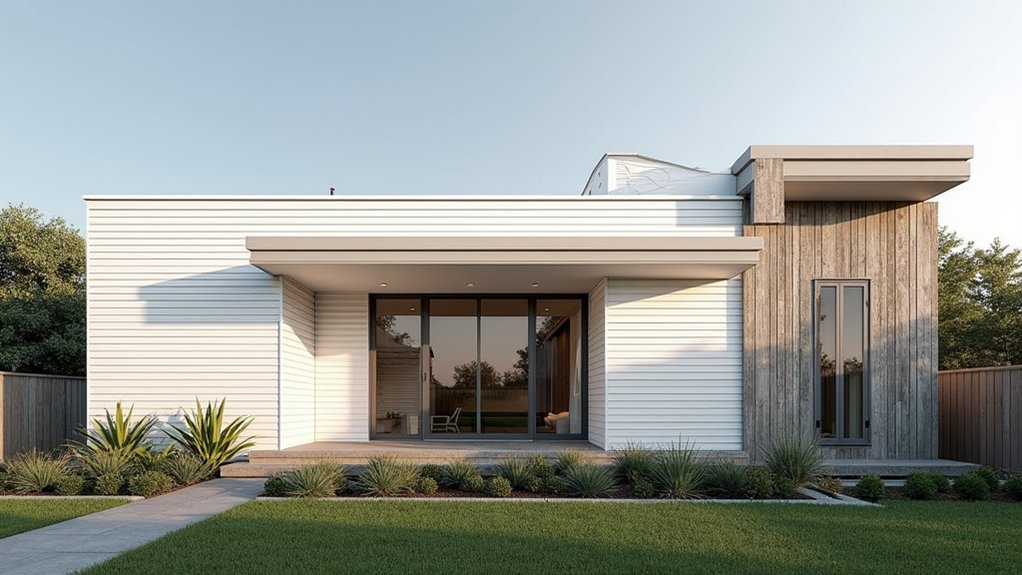
uPVC shiplap cladding is an exterior wall covering made from rigid, weather-resistant unplasticised polyvinyl chloride (uPVC) boards. You install these interlocking boards horizontally, allowing each upper profile to overlap the board below. This shiplap arrangement creates a defined linear appearance while helping shed water from joints.
Unlike timber, uPVC contains no wood fibres, so you don’t need to paint, stain, or regularly seal it. Manufacturers typically form boards with internal chambers, improving rigidity without excessive weight, and add a textured or embossed surface to replicate painted timber.
Its historical significance relates to traditional shiplap siding, adapted for modern polymer manufacturing.
You should also assess its environmental impact, including production, transport, recyclability, and disposal. Choose certified products and follow installation guidance to support responsible use and long-term performance.
How uPVC Cladding Handles Weather and Wear
How well does uPVC shiplap cladding withstand changing weather? It’s engineered to manage rain, frost, heat, and wind without rotting, swelling, or absorbing water. Its closed-cell structure limits moisture penetration, while interlocking boards help shed rainfall when you install them correctly.
Quality uPVC also includes UV resistance, reducing colour fading and surface brittleness during prolonged sunlight exposure. Temperature changes can cause slight expansion and contraction, so you’ll need to follow the manufacturer’s fixing guidance and allow the specified movement gaps.
The surface resists common dirt, algae, and insects, although sheltered areas may still collect deposits. Your maintenance requirements remain straightforward: inspect joints and fixings, clear blocked drainage paths, and wash the boards with mild detergent and water. Avoid abrasive cleaners, solvents, and high-pressure spray, which can damage the finish.
uPVC or Timber Cladding: Which Is Better?
Which cladding suits your project best depends on how you’ll balance appearance, maintenance, lifespan, and installation cost. uPVC shiplap cladding gives you consistent colour, low moisture absorption, and minimal upkeep.
Timber provides natural grain and can be repaired, stained, or painted to change its appearance. Your maintenance requirements will generally be lower with uPVC: occasional washing usually removes surface dirt, whereas timber needs periodic inspection, sealing, staining, or painting to limit moisture damage.
uPVC won’t rot, warp, or support insect attack like untreated timber, although impact damage may require panel replacement. Timber can offer stronger eco-friendliness credentials when responsibly sourced, but uPVC’s long service life and recyclability can reduce replacement waste.
Compare warranties, fire performance, thermal detailing, and installation methods before choosing the material that best suits your building.
Which uPVC Cladding Styles Suit Your Home?
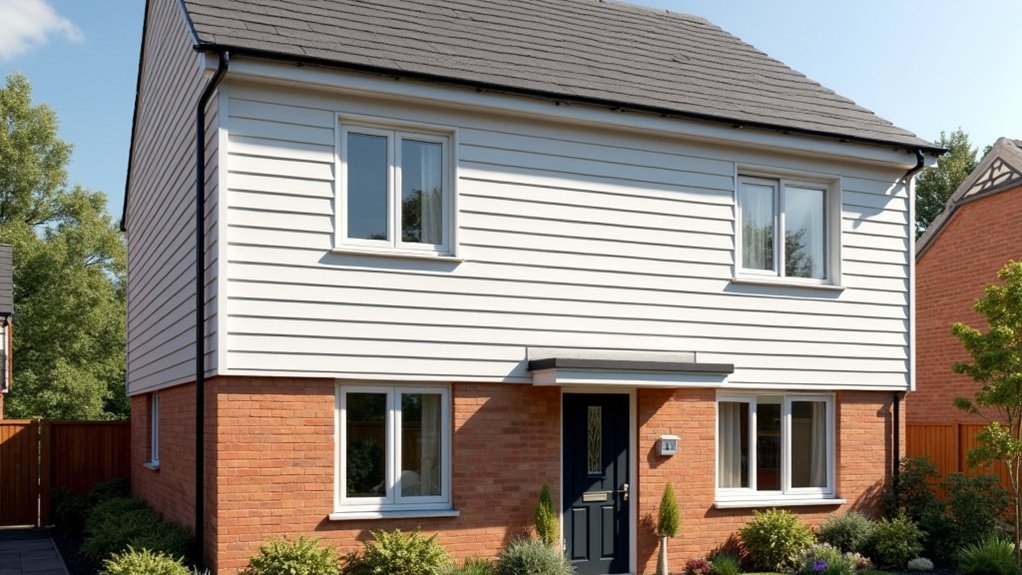
Your home’s architecture, roofline, and surrounding materials should guide your choice of uPVC cladding style. Traditional properties often suit shiplap boards, whose overlapping profiles create a familiar horizontal finish.
Choose contemporary flat or flush panels for clean lines on modern extensions, while vertical cladding can emphasise height and complement tall façades.
Consider board width carefully: narrower profiles add visual texture, whereas wider boards produce a calmer appearance.
Colour options range from white and subtle neutrals to wood-effect finishes, allowing you to coordinate cladding with window frames, brickwork, and roofing.
Check each product’s texture, gloss level, and UV-resistant coating before deciding.
During the installation process, your installer should account for ventilation gaps, movement joints, corners, and openings.
A detailed elevation plan helps maintain consistent alignment and neat progression around doors and windows.
How Much Does uPVC Shiplap Cladding Cost?
uPVC shiplap cladding typically costs £20–£60 per m² for materials, with installation adding around £40–£80 per m² depending on access, insulation, trims, and preparation.
For an accurate estimate, measure each wall, subtract openings, and include starter strips, corner profiles, window trims, fixings, scaffolding, waste, and removal of existing finishes.
Your installer should inspect the substrate before pricing the installation process, because repairs, battens, or additional insulation can increase labour and material costs.
Larger areas may reduce the rate per square metre, while complex elevations, high access, and detailed cutting usually raise it.
Ask for an itemised quotation that separates materials, labour, VAT, and provisional sums.
Although uPVC has modest maintenance requirements, budget for occasional cleaning, damaged-board replacement, and resealing around penetrations to preserve performance and appearance.
Is uPVC Cladding Right for Your Home?
After comparing the likely installation cost with your budget, assess whether uPVC cladding suits the building’s construction, exposure, appearance, and maintenance requirements.
It works particularly well on sound masonry, timber-frame, and properly prepared rendered walls, provided the substrate can support battens and ventilation gaps. Check local wind exposure, moisture levels, and fire requirements before choosing it.
Coastal locations may require corrosion-resistant fixings and carefully sealed joints. Consider Color options alongside your property’s proportions, roofline, and neighbouring designs; modern profiles can imitate painted timber without regular recoating.
Review the installation process, including substrate preparation, cavity ventilation, corner detailing, and expansion allowances. Choose an experienced installer if you’re unsure about movement or weatherproofing.
uPVC suits you best when you want low maintenance, consistent appearance, and straightforward cleaning, but timber may remain preferable for conservation areas or authentic heritage detailing.
Frequently Asked Questions
How Is uPVC Shiplap Cladding Installed?
You install uPVC shiplap cladding by fixing starter trims, corner profiles, and battens, then interlocking boards and securing them with screws. Choose Color options beforehand, and prepare appropriate installation tools for accurate cutting and alignment.
Can uPVC Shiplap Cladding Be Fitted Over Existing Exterior Walls?
Yes, you can fit uPVC shiplap cladding over existing exterior walls if they’re sound, dry, and reasonably level. You’ll need battens, ventilation gaps, suitable fixings, and accurate measurements. Consider color options and installation costs beforehand.
What Maintenance Does uPVC Shiplap Cladding Require?
You’ll need minimal maintenance: wash panels periodically with warm, soapy water, rinse thoroughly, and inspect joints. Cleaning requirements exclude abrasive products. Color maintenance involves checking fading; replace severely discolored boards and keep drainage paths clear.
Is uPVC Shiplap Cladding Recyclable at the End of Its Lifespan?
Yes, you can recycle uPVC shiplap cladding, but local facilities must accept it. The recycling process involves collection, sorting, cleaning, shredding, and remanufacturing. You’ll reduce environmental impact by choosing responsible disposal.
Does uPVC Shiplap Cladding Improve a Home’s Insulation?
Yes, uPVC shiplap cladding can improve your home’s thermal efficiency, like adding another protective layer. You’ll gain insulation benefits and reduce heat loss, but you’ll need suitable cavity insulation underneath for meaningful performance.
Conclusion
uPVC shiplap cladding gives your home a remarkably durable, low-maintenance exterior without timber’s continual demands. You’ll get interlocking boards that shed rain, resist rot, insects, warping, and harsh weather, while retaining a consistent finish for years. Whether you’re updating a traditional façade or creating a modern look, you can choose suitable profiles and colours to match. With straightforward installation and predictable costs, uPVC offers an exceptionally practical route to a smarter, longer-lasting, virtually worry-free exterior.