
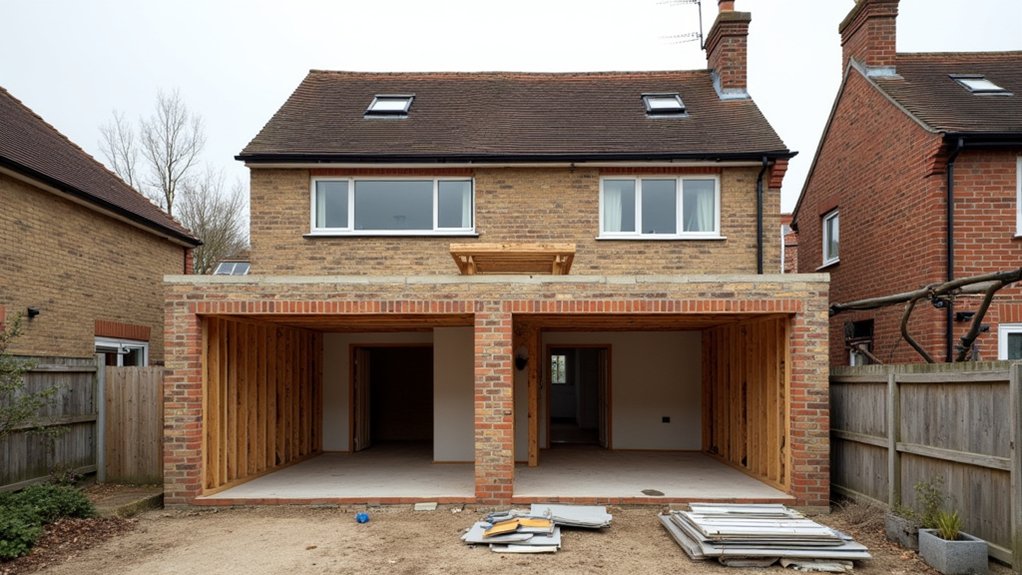
Is there such a thing as typical renovation costs for a project? Renovation costs can feel like a moving target, shifting with your property’s location, size, design, and specification. You’ll typically budget £1,800–£3,500 per square metre£1,800–£3,500 per square metrefor an extension, while a whole-house refurbishment may range from £50,000 to £150,000. You’ll also need to account for professional fees, permissions, finishes, and contingencies. Understanding what each figure includes—and what it leaves out—can prevent costly surprises before work begins.
Key Takeaways
- UK extensions typically cost £1,800–£3,500 per square metre, with London and complex designs costing more.
- Whole-house refurbishments commonly cost £50,000–£150,000, while extensive or high-end projects may exceed £200,000.
- Budgets should include design fees, surveys, planning, building control, VAT, utilities, waste removal, and professional services.
- Ground conditions, structural complexity, access, bespoke glazing, fixtures, and finishes significantly influence final costs.
- Use detailed specifications, itemised quotations, staged payments, and a 10–15% contingency to control costs and cover surprises.
How Much Do UK Extensions Cost?
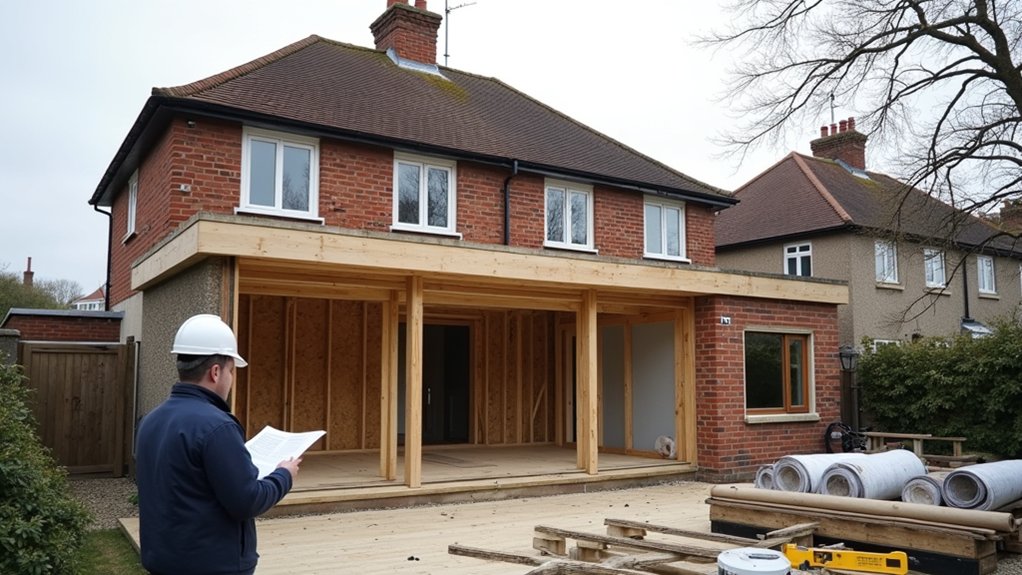
UK extension costs typically range from £1,800 to £3,500 per square metre, depending on the project’s location, design, specification and access. You’ll usually pay more in London and the Southeast, where labour, logistics and professional fees are higher.
A simple single-storey rear extension generally costs less than a complex two-storey or side-return structure. Your budget should account for floor area, structural complexity, ground conditions, drainage alterations and site access.
Design considerations also affect the rate: bespoke glazing, roof forms, premium finishes and planning constraints can increase costs considerably.
You can reduce long-term expenditure by selecting practical materials and efficient systems. Sustainability options, such as improved insulation, low-carbon heating, solar panels and responsibly sourced timber, may raise initial costs but reduce energy demand and running expenses over the extension’s lifespan.
Obtain several detailed quotations before proceeding.
What Is Included in an Extension Cost?
An extension cost typically includes design and professional fees, planning or building-regulations applications, groundworks, foundations, structural elements, walls, roofing, windows, doors, insulation, electrics, plumbing, heating, plastering and internal finishes.
Your quotation should identify each element, its specification, labour, delivery, waste removal and VAT. Check whether surveys, structural calculations, utility alterations, scaffolding, temporary protection and connection fees are included, because exclusions can materially change the final cost.
Design considerations include the extension’s size, access, drainage, fire safety, thermal performance and integration with your existing building.
Material selection affects both price and compliance: compare brick, block, timber or steel construction, roof coverings, glazing, insulation and finishes against the specification.
Ask your contractor to separate provisional sums from fixed prices and confirm assumptions, guarantees, payment stages and responsibility for approvals before you sign.
How Much Does a UK Home Refurbishment Cost?
How much a UK home refurbishment costs depends on the property’s size, condition, specification and location, but a typical whole-house project often ranges from £50,000 to £150,000.
While extensive structural or high-end work can exceed £200,000.
For a more accurate cost estimation, measure each work package separately, including demolition, rewiring, plumbing, insulation, plastering, flooring, kitchens and bathrooms.
You’ll usually achieve better control by obtaining itemised quotations from several contractors and comparing labour, materials and project timelines.
Your specification also drives the final figure: standard fixtures reduce expenditure, whereas bespoke joinery, premium finishes and complex layouts increase it.
Use budgeting strategies that prioritise essential works first, then allocate funds to upgrades according to your available finance.
Review the scope regularly, so your refurbishment remains aligned with your target budget and performance requirements.
Which Extra Costs Affect Your Renovation Budget?
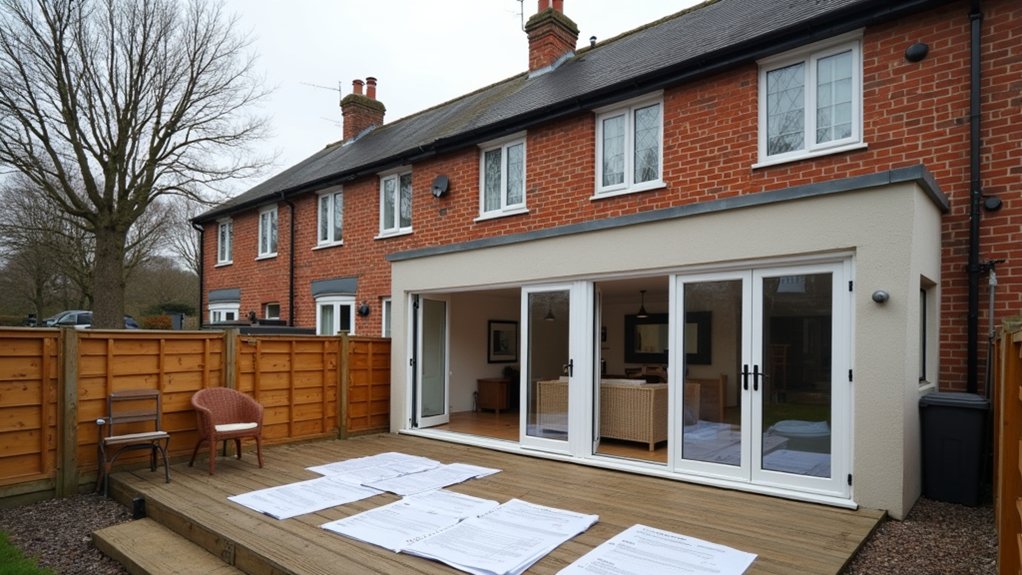
Beyond the main construction work, you’ll need to budget for professional fees, planning applications, building control, surveys, insurance, waste removal and temporary accommodation.
Structural engineers, architects and energy assessors may charge fixed fees or percentages of the construction value, while specialist surveys can reveal asbestos, drainage or ground conditions requiring further work.
You’ll also pay for kitchen, bathroom and lighting specifications, utility upgrades, connection charges and statutory inspections.
Contractor fees may exclude scaffolding, site welfare, delivery, protection of existing rooms and making-good after installation, so check every quotation carefully.
Allow for VAT where applicable, particularly on professional services and materials.
Unexpected defects, inflation, design changes or planning conditions can create budget overruns.
If your home remains occupied, factor in storage, heating and relocation costs during disruptive phases of the project.
How Can You Control Extension and Refurbishment Costs?
Once you’ve identified the additional fees and risks, control costs by fixing the project scope before requesting firm quotations. Prepare detailed drawings, specifications, room schedules, and an inclusion list, so each contractor prices identical work.
Your Budget planning should include professional fees, surveys, building-control charges, VAT, contingency, and inflation. Set aside 10–15% for unforeseen conditions, particularly in older properties.
For effective contractor selection, check insurance, relevant experience, references, programme capacity, and financial stability rather than choosing the lowest price. Compare itemised quotations and challenge provisional sums, exclusions, and unrealistic allowances.
Agree payment stages against completed work, retain a proportion until defects are resolved, and document every variation. Appoint a contract administrator where appropriate, and approve changes in writing before work starts to prevent scope creep.
Frequently Asked Questions
Can I Live in My Home During an Extension or Refurbishment?
Yes, you can usually remain at home, but plan for temporary living arrangements if utilities, kitchens, bathrooms, or access become unavailable. Discuss renovation disruptions, dust control, security, working hours, and safe routes with your contractor beforehand.
How Long Does a Typical UK Extension or Refurbishment Project Take?
Think of your project as a relay: you’ll typically need three to six months for an extension, while refurbishments take six weeks to six months. Your construction timeline depends on scope, approvals, and project milestones.
Do I Need Planning Permission or Building Regulations Approval?
You’ll often need Planning permission for extensions, alterations, or changes of use, while Building regulations approval confirms structural, fire, insulation, and safety compliance. Check your council’s requirements before work starts; exemptions may apply.
How Can I Find a Reliable Contractor for My Renovation Project?
You’ll find a reliable contractor through Contractor vetting: verify licences, insurance, references, and completed projects. Request comparable quotes, clarify specifications, and use Budget estimation to test whether suspiciously low bids conceal exclusions, delays, or poor workmanship.
Will Renovating My Property Increase Its Value?
Yes, renovating can increase your property’s value, but your renovation ROI depends on location, specification, and buyer demand. Check the Property market, prioritise structural improvements, control costs, and compare your investment with local sale prices.
Conclusion
Renovating in the UK doesn’t have to mean accepting an unpredictable bill. Although professional fees, regional rates, planning requirements, and unforeseen work can increase costs, you can manage them with a defined scope, measured drawings, realistic contingencies, and itemised quotations. Compare like-for-like proposals, confirm what each contractor includes, and prioritise essential works before finishes. Whether you’re extending or refurbishing, accurate early budgeting protects your project, supports better decisions, and reduces expensive variations during construction.