
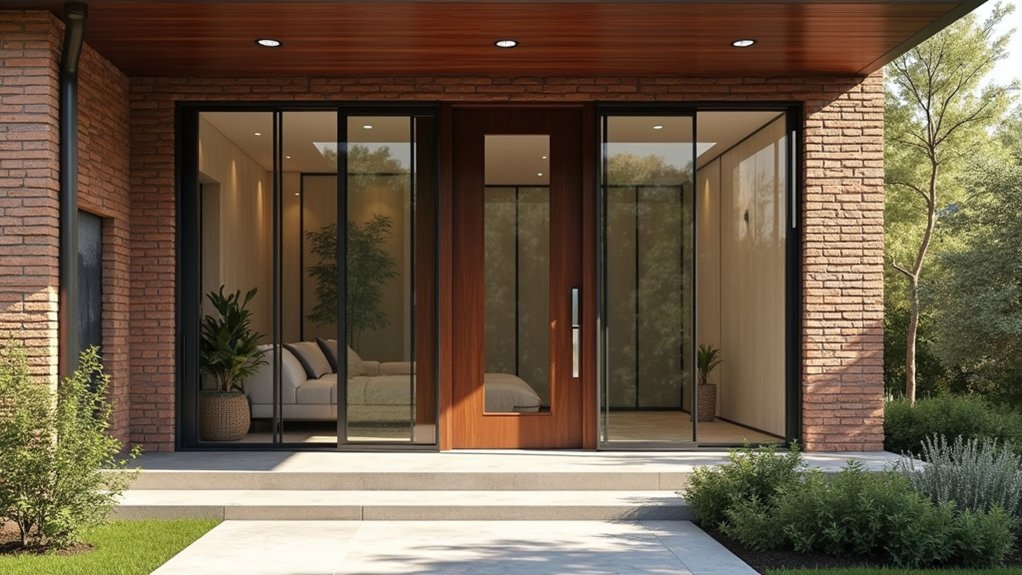
If you’re choosing doors or windows for stronger building security, Secured by Design (SBD) products give you independently tested resistance to forced entry. They combine reinforced frames, reliable locking systems, secure hardware, and impact-resistant glazing as a complete assembly—not just as individual components. You’ll also gain clearer certification and specification guidance for residential, commercial, or public buildings. However, not every product marketed as “secure” meets SBD requirements, so the testing process and certification details matter.
Key Takeaways
- SBD doors and windows are security-tested products designed to resist forced entry in residential, commercial, and public buildings.
- Certification covers the complete installed assembly, including frames, glazing, hinges, locks, fixings, and hardware.
- Products undergo timed, realistic testing against attacks on locks, hinges, glazing, and other vulnerable components.
- Common features include multi-point locks, reinforced frames, hinge protection, security cylinders, and laminated security glazing.
- Certification applies only to approved designs and installation methods, so modifications should be verified with Secured by Design.
What Are SBD Doors and Windows?
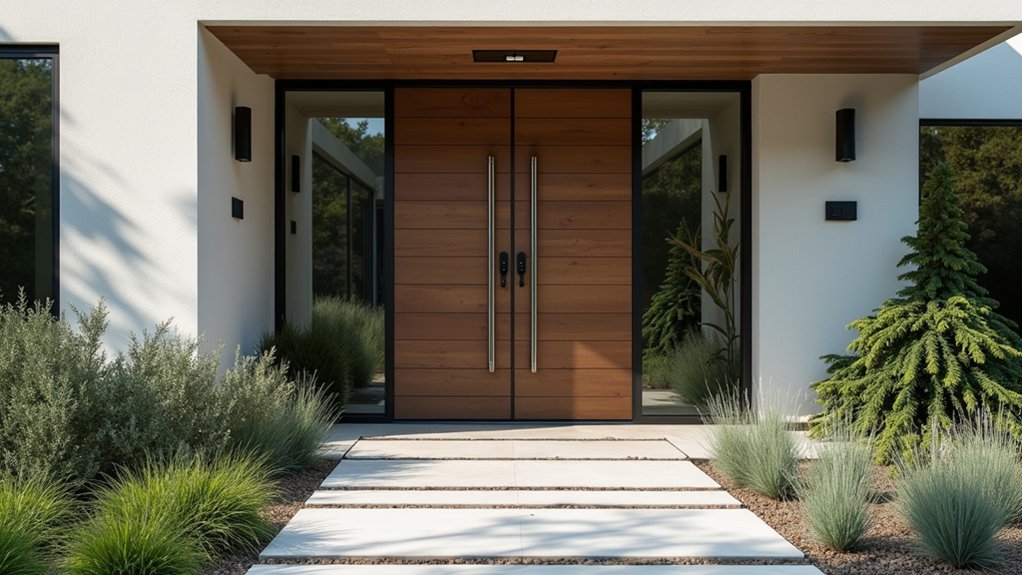
Secured by Design (SBD) doors and windows are security-tested products designed to resist common methods of forced entry. You’ll typically find them in residential, commercial, and public buildings where controlled access and dependable protection matter.
Their design standards address the complete installation, including frames, hinges, locks, glazing, fixings, and compatible hardware, rather than treating each component in isolation.
You can select SBD units in materials such as reinforced uPVC, aluminium, composite, or timber, provided the complete product meets the required specification.
Material durability helps the door or window maintain structural performance through repeated use, weather exposure, and everyday impacts.
Look for the official SBD logo and certification details when comparing products. You’ll then know the manufacturer has designed the complete unit for consistent security performance in practical applications.
How Are SBD Doors and Windows Tested?
SBD doors and windows are tested as complete assemblies against realistic forced-entry methods, including physical attack on the frame, locks, hinges, glazing, and fixings. Testers use specified tools and timed attack sequences to assess resistance, not just individual product components.
They check whether attackers can create gaps, remove hardware, break glazing, or defeat locking points. The assembly must remain secure throughout the required test period and meet defined performance criteria.
Certification also depends on controlled manufacturing, approved components, and correct installation. When you specify an SBD product, follow the manufacturer’s installation guidelines precisely; unsuitable substrates, gaps, or fixings can compromise tested performance.
You should also apply recommended maintenance tips, such as lubricating moving parts and checking fasteners, seals, hinges, and locks regularly. Records help verify ongoing condition.
Why Choose SBD-Certified Doors and Windows?
Once correctly specified and installed, SBD-certified doors and windows give you independently assessed resistance to common forced-entry methods, rather than relying solely on product claims. You’ll also gain a clearer benchmark when comparing products, because certification links performance to recognised Security standards and documented test evidence.
The Certification process requires manufacturers to submit eligible products for assessment, maintain consistent production, and satisfy ongoing scheme requirements. That oversight helps you reduce uncertainty about declared performance and supports more defensible decisions during design, procurement, and installation.
For homes, apartments, and other buildings, choosing certified products can strengthen a security specification without depending on assumptions or marketing language. You’ll also have useful evidence for discussions with architects, contractors, insurers, and building control teams, particularly where a project requires demonstrable resistance and traceable compliance.
Which Security Features Do SBD Doors Use?
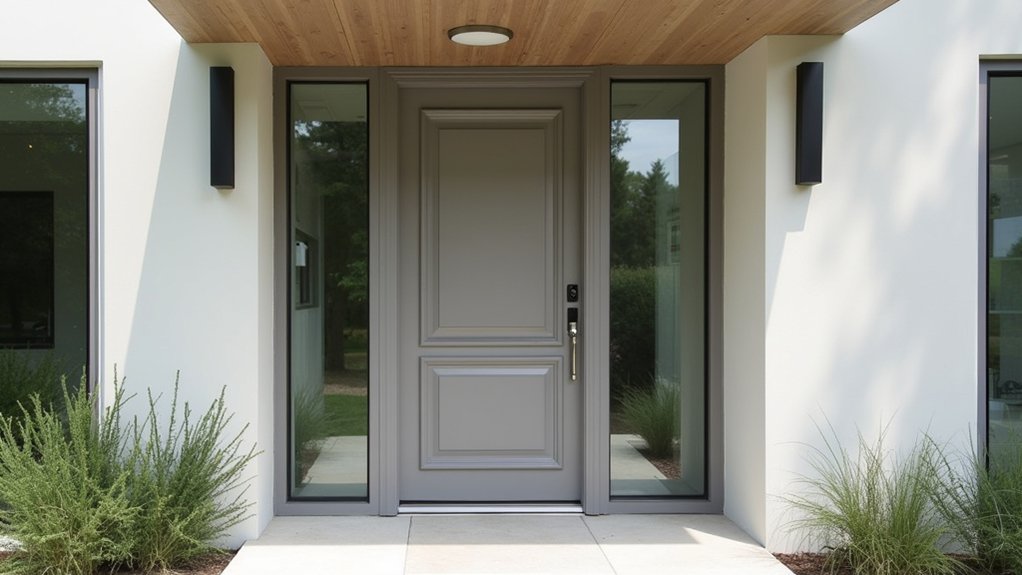
Rather than relying on a single lock or material, SBD-certified doors and windows combine multiple security features designed to resist common attack methods.
For SBD doors, you’ll typically find a tested multi-point locking system that secures the door at several points along the frame. Reinforced keeps, hinge protection, and security cylinders help resist forced entry, drilling, snapping, and levering. Laminated security glass can add impact resistance where glazing is part of the door, while solid cores and robust frames improve overall strength.
You should also check for correctly fitted hardware, because poor installation can undermine certified performance. Some systems support alarm integration, linking door contacts or locking hardware to your existing security setup. Tamper alarms can alert you when someone interferes with the lock, frame, or associated access-control equipment.
Which Security Features Do SBD Windows Use?
SBD windows use laminated security glass to resist impact and help retain fragments if the pane breaks.
You’ll also find multi-point locking systems that secure the sash at several points, while reinforced frames improve resistance to forced entry.
Next, examine how each feature contributes to a tested, integrated security solution.
Laminated Security Glass
Laminated security glass strengthens SBD windows by bonding two or more panes around a tough interlayer that holds the unit together when struck. If an impact cracks the glass, the interlayer helps retain fragments, limiting openings and reducing injury risks.
You’ll also gain improved resistance to forced entry, because breaking through the glazing requires repeated effort and creates noise. Specify glass certified to the relevant SBD and EN standards, with thickness and interlayer type matched to the window’s risk assessment.
Acoustic and solar-control options can improve comfort without weakening security when correctly tested as complete window assemblies. You can combine this protection with Smart home integration, including monitored impact sensors, while slim profiles and neutral tints support an aesthetic design.
Always verify certification, installation quality, and frame compatibility with your supplier.
Multi-Point Locking Systems
Multi-point locking systems secure SBD windows by engaging several locking points along the sash, typically through steel bolts, hooks, or mushroom cams that locate into reinforced keeps in the frame.
When you turn the handle, the central gearbox drives each point simultaneously, distributing resistance across the closing edge and limiting opportunities to lever the sash open.
You should check that the handle reaches its fully locked position and that every point engages smoothly without excessive force.
Key-operated or internally controlled handles support access control, while concealed cylinders and anti-drill components help protect the mechanism from manipulation.
Integrate magnetic contacts with your alarm system for intrusion detection; these can signal an opened or improperly secured window.
Regularly lubricate approved moving parts and inspect keeps for wear, misalignment, or loose fixings.
Reinforced Window Frames
Locking points can only resist forced entry effectively when the frame can withstand the resulting loads. SBD windows use reinforced frames designed to prevent prising, twisting, and impact-related movement.
When you assess a product, check whether its frame includes steel reinforcement, strengthened corners, and securely fixed joints. These elements distribute force across the assembly instead of allowing the lock or hinge side to deform.
Material strength matters because uPVC, aluminium, and timber frames respond differently under attack. Manufacturers may add galvanised steel sections, thicker profiles, or laminated components to improve resistance while maintaining thermal performance.
Proper installation also protects frame durability: installers must anchor the frame into sound masonry at specified intervals, pack it correctly, and prevent gaps around the perimeter.
You should confirm the window has passed relevant security testing, not rely on appearance alone.
How to Verify SBD Certification Before Buying
Before you buy, verify the product’s Secured by Design (SBD) certification through the official SBD product database rather than relying on a seller’s claim or logo. Search the exact manufacturer, product range, and model reference, then confirm that the listing covers the door or window configuration you’re considering.
Check the certification’s current status and any stated validity dates; approval may not apply to modified frames, hardware, glazing, or installation methods. Ask the supplier for the certificate number and compare it with the database record.
Review the specified Security standards, including the relevant testing classification and performance requirements. During the Certification process, manufacturers must demonstrate compliance through approved testing, so documentation should identify the tested design.
If details don’t match, contact SBD directly before placing your order or accepting substitutions.
Frequently Asked Questions
How Much Do Secured by Design Doors and Windows Typically Cost?
You’ll typically pay £1,000–£3,000 per SBD door and £500–£1,500 per window, installed. Pricing factors include size, glazing, locks, installation, and location; Material options such as timber, aluminium, or uPVC affect costs considerably.
Can SBD Doors and Windows Improve Home Insurance Premiums?
SBD doors and windows may improve your home insurance premiums, but insurers decide individually. Provide certification, installation records, and security features; compare quotes. Their aesthetic appeal won’t guarantee savings, while verified crime-resistance performance can support discounts.
Are SBD Products Suitable for Listed or Heritage Properties?
You can have stronger security without disturbing character: SBD products may suit heritage homes, provided you meet Heritage compliance and Listed building regulations. Consult conservation officers, specify sympathetic profiles, and secure approval before installation.
How Long Does Installation of SBD Doors and Windows Usually Take?
You’ll usually see installation completed within one to three days, depending on the number of units. Your installation timeline varies with property access, structural adjustments, product availability, and weather—key completion factors.
Can Existing Doors and Windows Be Upgraded to Meet SBD Standards?
Yes, you can often upgrade existing doors and windows to meet SBD standards, provided their frames, locks, glazing, and installation support certification. Assess material durability and aesthetic compatibility before replacing components or commissioning compliant units.
Conclusion
Choosing SBD doors and windows helps you give unwanted visitors a polite but firm “not today.” Before buying, verify the exact product, frame, glazing, hardware, and certification details rather than relying on marketing language. Check the official certificate, approved manufacturer, and installation requirements, then use an accredited installer. When the complete assembly meets the tested specification, you’ll gain dependable resistance, clearer documentation, and greater peace of mind for your home or building.