
We were asked about a Japandi design project for a client, specifically a Japandi Living Room Design, we were delighted to get onboard.
Living with intention defines the heart of Japandi design, where Japanese minimalism meets Scandinavian functionality. You embrace clean lines, natural materials, and a calm, uncluttered atmosphere that promotes mindfulness. This style balances warmth and restraint, offering a visually soothing yet deeply practical living space rooted in authenticity and quiet elegance.
Key Takeaways:
- Japandi design merges Japanese minimalism with Scandinavian functionality, resulting in spaces that feel both serene and livable, such as a Tokyo apartment featuring light oak flooring paired with neutral linen textiles and hand-thrown ceramic accents.
- Neutral color palettes dominate Japandi interiors, relying on soft whites, warm grays, and natural wood tones to create visual calm, while occasional deep charcoal or black elements add subtle contrast without disrupting harmony.
- Material authenticity is prioritized over decorative finishes, with untreated wood, raw linen, handmade paper, and matte ceramics commonly used to emphasize texture and tactility in furniture and decor.
- Furniture selection favors low-profile silhouettes and multi-functional pieces, like a modular sofa with hidden storage or a low coffee table crafted from reclaimed timber, reflecting both aesthetic restraint and practical needs.
- Intentional emptiness-leaving areas of floor space unoccupied-is a deliberate design strategy in Japandi living rooms, allowing each object to be appreciated individually and supporting a sense of mental clarity.
Understanding the Core Types of Japandi Style
Japandi design manifests in distinct variations, each balancing Scandinavian minimalism and Japanese restraint differently. Some interpretations lean into Nordic warmth, others into Eastern stillness. Perceiving these differences helps align your space with your desired atmosphere.
| Style Variation | Defining Characteristic |
| Scandi-Heavy | Prioritizes soft textures and warm lighting |
| Japanese-Centric | Emphasizes asymmetry and natural imperfection |
| Balanced Hybrid | Equal emphasis on function and tranquility |
| Modern Japandi | Incorporates sleek lines and muted tech integration |
- Focus on neutral palettes with earthy undertones
- Use of natural materials like oak, linen, and washi paper
- Integration of minimal ornamentation for calm surfaces
- Emphasis on functional furniture with clean silhouettes
- Perceiving
The Scandi-Heavy Approach: Emphasizing Hygge and Warmth
Your space embraces soft wool throws, light wood finishes, and layered lighting to cultivate comfort. Neutral walls paired with warm gray or beige textiles invite relaxation. This version tempers Japanese austerity with Nordic hygge, making the room feel lived-in and welcoming.
The Japanese-Centric Approach: Focus on Zen and Wabi-Sabi
You introduce asymmetrical layouts, handmade ceramics, and unfinished wood to reflect wabi-sabi principles. A low-slung sofa, tatami-inspired flooring, or a single Ikebana arrangement anchor the room in stillness. Imperfection becomes the focal point.
One mid-sized SaaS firm restructured its office lounge using this approach, incorporating a reclaimed timber coffee table with visible knots and cracks, paired with a neutral linen sofa. The design draws attention to the beauty of aging materials, where a chipped stoneware vase is not hidden but displayed prominently on a black-lacquered tray. Such details reinforce the Zen ideal of presence and acceptance, transforming the room into a contemplative zone distinct from more decorative styles.

Essential Factors in Japandi Spatial Planning
Effective spatial planning in Japandi design centers on harmony, balance, and purpose. You prioritize clean sightlines, uncluttered zones, and intentional placement of each element. Natural light flows freely, supported by minimal window treatments. Furniture scales appropriately to the room, ensuring ease of movement. Any thoughtful layout reflects both aesthetic restraint and daily practicality.
- harmony between form and function
- uncluttered zones for mental clarity
- natural light as a core design element
- intentional placement of furniture and decor
- clean sightlines across the space
Prioritizing Natural Materiality and Organic Textures
Choose materials like light oak, rattan, linen, and stone to ground your space in authenticity. These elements introduce subtle variation in texture without disrupting visual calm. You feel the warmth of wood underfoot and the softness of woven textiles on seating. Any material choice should invite touch while reinforcing simplicity.
The Role of Negative Space and Functional Layouts
Empty areas are not wasted space but imperative to Japandi’s calming effect. You allow walls and floors to breathe, framing furniture rather than filling corners. Each piece serves a clear purpose, eliminating excess. Any open expanse enhances focus and flow.
Empty space in Japandi design functions as an active component, not an afterthought. You treat negative space like a furnishing-measured and intentional-guiding movement and attention. A low platform sofa against a bare wall creates a meditative focal point, while wide floor areas accommodate flexible use. This deliberate emptiness supports mindfulness, reducing visual noise and promoting a sense of order that aligns with both Japanese minimalism and Scandinavian livability.
Evaluating the Pros and Cons of Japandi Living
Adopting Japandi design brings lasting aesthetic and emotional rewards, yet requires thoughtful consideration of practical realities. The fusion of Japanese minimalism and Scandinavian functionality creates serene spaces, but sourcing authentic pieces and maintaining their condition can pose challenges. Your lifestyle and priorities will determine whether the benefits outweigh the effort.
| Pros | Cons |
| Promotes mental clarity through minimal clutter | Authentic materials like solid wood and linen can be costly |
| Timeless aesthetic resists design trends | Limited color palette may feel too restrained for some |
| Encourages mindful consumption and sustainability | Handcrafted furniture often has long lead times |
| Enhances focus and relaxation in daily life | Fewer decorative elements increase visibility of wear |
| Supports efficient use of small living areas | Blending two distinct styles risks feeling disjointed if not curated carefully |
Benefits of a Harmonious and Clutter-Free Environment
Your mind responds to order, and a Japandi living room supports cognitive ease by eliminating visual noise. The deliberate absence of excess decor reduces decision fatigue, letting you unwind without distraction. Spaces designed with intention foster deeper presence, making everyday moments feel more grounded and meaningful.
Potential Challenges in Sourcing and Upkeep
Finding genuine Japandi pieces demands patience, as mass-produced imitations often lack the integrity of natural materials and craftsmanship. You may need to source from specialty retailers or commission custom work, which increases cost and time. Maintaining the pristine condition of light-toned textiles and wood finishes requires consistent care.
Light oak floors show every footprint, and linen upholstery demands regular cleaning to preserve its texture. A mid-sized SaaS firm’s office redesign revealed that even professional environments struggle with the upkeep of minimalist aesthetics. Without daily attention, the look can shift from serene to shabby, undermining the design’s core intent. Your commitment to maintenance directly influences the longevity of the style’s impact.
Step-by-Step Guide to Designing Your Living Room
Follow this structured approach to shape a Japandi living room that balances aesthetic harmony with everyday function. Each phase builds on the last, guiding you from color selection to final detailing with clarity and purpose.
| Phase | Action |
| 1 | Define your color foundation using neutral and earthy tones |
| 2 | Select low-profile furniture with clean lines and natural materials |
| 3 | Incorporate sustainable accents like linen textiles and handmade ceramics |
| 4 | Add subtle lighting with paper or wood-shaded fixtures |
| 5 | Curate minimal decor, focusing on texture and negative space |
Establishing a Neutral and Earthy Color Foundation
Begin with walls in soft whites, warm greiges, or pale clay tones to create a calm backdrop. These colors reflect natural light and support the serene atmosphere central to Japandi design, allowing textures and forms to stand without visual clutter.
Curating Low-Profile Furniture and Sustainable Accents
Choose sofas and tables with slim silhouettes and organic shapes, favoring oak, ash, or rattan. Pair them with eco-conscious textiles like unbleached cotton or jute to maintain authenticity and reduce environmental impact.
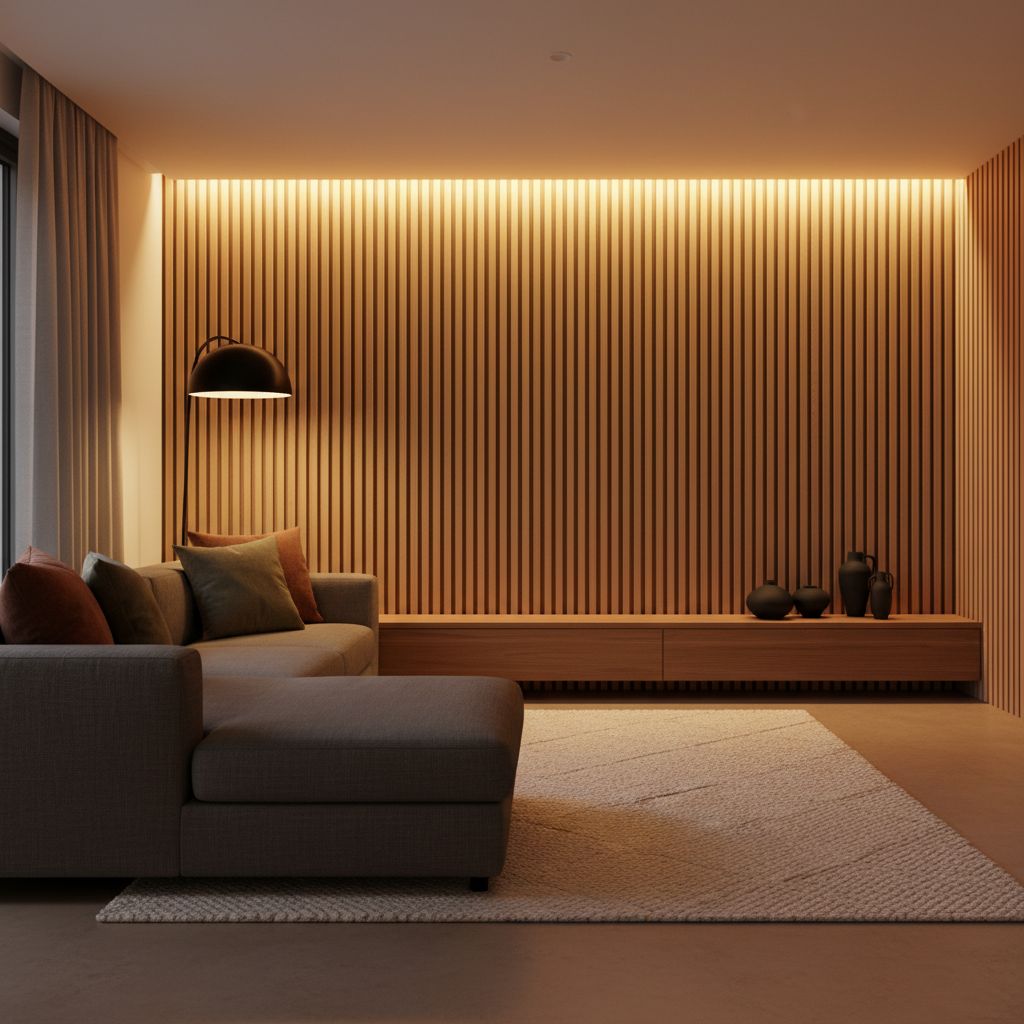
Low-profile furniture emphasizes horizontal lines and grounded proportions, making the room feel more expansive and intentional. A mid-sized SaaS firm founder in Copenhagen, for example, replaced a bulky sectional with a modular oak frame sofa, instantly lowering the visual weight of the space. Upholstery in undyed wool adds warmth without disrupting the palette. Hand-thrown stoneware vases and recycled glass lamps serve as accents that honor both Scandinavian functionality and Japanese wabi-sabi principles. These choices reinforce a design language where every object has purpose and provenance.
Expert Tips for Achieving Stylistic Balance
Balance emerges when Japandi minimalism meets intentional contrast. Pair light oak flooring with a charcoal linen sofa to ground the space. Introduce a single hand-thrown ceramic vase on a sleek console, blending Japanese wabi-sabi with Scandinavian function. Mix matte black fixtures with bleached wood tones to avoid monotony. Thou anchor every element in purpose, not ornament.
Integrating Indoor Greenery and Soft Lighting
Live plants like a potted zamioculcas or ryu myrtifolia soften clean lines while purifying air. Position them near north-facing windows to maintain gentle light exposure. Use paper lanterns or matte ceramic lamps with warm bulbs to create ambient illumination. Thou mirror nature’s rhythm with lighting that shifts from bright days to muted evenings.
Selecting Meaningful Decor Over Mass-Produced Items
A single indigo-dyed textile from a Kyoto artisan carries more weight than a dozen factory-made cushions. Choose objects with history, texture, or a story-like a Danish mid-century side table or a bonsai grown from seed. Thou let silence between objects speak as loudly as the pieces themselves.
Meaning arises not from quantity but from curation. A mid-sized SaaS firm founder once replaced a wall of generic art with one shou sugi ban panel and a family heirloom teapot, transforming the room into a reflective space. These choices resist trends and invite pause. Each item, when chosen with care, becomes a quiet statement of identity rather than decoration.
Conclusion
You blend the quiet precision of Japanese minimalism with the warmth of Scandinavian functionality to create a living room that feels both serene and lived-in. Natural materials like light oak and linen, paired with neutral tones and uncluttered layouts, define the space. A mid-sized SaaS firm executive in Copenhagen recently transformed their urban apartment using these principles, resulting in a room that supports focus and relaxation in equal measure.
FAQ
Q: What defines the Japandi aesthetic in a living room?
A: The Japandi aesthetic merges Japanese minimalism with Scandinavian functionality, creating a space that feels both serene and livable. Clean lines, neutral color palettes, and uncluttered layouts are central, supported by natural materials like light oak, bamboo, and linen. A Tokyo-based architect’s apartment renovation, for instance, used shou sugi ban wood panels alongside pale gray wool upholstery to balance warmth and restraint, illustrating how cultural design principles can coexist without competing.
Q: Can Japandi design work in a small living room?
A: Yes, Japandi design is particularly effective in compact spaces due to its emphasis on spatial efficiency and visual calm. Low-profile furniture such as floor-level seating and wall-mounted shelving helps maintain an open feel. A mid-sized SaaS firm’s co-working lounge in Malmö adopted built-in tatami-style benches with hidden storage, proving that limited square footage can still accommodate both comfort and order through intentional design choices.
Q: How do you incorporate color in a Japandi living room without breaking the style?
A: Color is introduced sparingly and always derived from nature-moss green, slate blue, or charcoal gray appear in textiles, ceramics, or a single accent wall. A designer in Kyoto layered a hand-thrown indigo vase on a bleached oak console, allowing the pigment to stand out without overwhelming the space. Even in monochromatic schemes, subtle tonal variation in wood grains or woven textures adds depth without visual noise.
Q: What kind of lighting best suits a Japandi living room?
A: Lighting in Japandi design prioritizes softness and function, favoring paper lanterns, matte black metal fixtures, or wooden pendant lights that diffuse illumination gently. Floor lamps with fabric shades placed in corners create ambient pools of light, avoiding harsh overheads. One Oslo-based interior project used a cluster of three staggered washi paper orbs above a low coffee table, mimicking the effect of natural daylight filtering through rice screens.
Q: Is it possible to include modern technology in a Japandi living room?
A: Technology can be integrated as long as it remains discreet and complements the room’s simplicity. Flat-screen TVs are mounted flush to walls or concealed within cabinetry, while sound systems are chosen for minimalist grilles and compact forms. A Copenhagen family home housed a smart speaker inside a hand-carved teak enclosure, blending digital utility with artisanal craftsmanship, proving that modern devices don’t have to disrupt aesthetic harmony.