

As location can make or break an investment, you’ll need to compare HMOs and single-lets in Burnley and Blackburn with more than headline rents. Start by checking achieved rents near colleges, hospitals, town centres, and transport hubs, then model occupancy, management, maintenance, licensing, fire safety, and compliance costs. Conservative vacancy and rent-stress assumptions may change the winner—especially when the apparently stronger yield carries greater operational risk.
Key Takeaways
- Compare net yields using verified rents, realistic occupancy, management, maintenance, utilities, insurance, financing, taxes, and reserves.
- Separate room-by-room HMO income from whole-house rents, checking comparable properties near Burnley and Blackburn demand centres.
- Stress-test vacancies, lower rents, rising utility costs, delayed repairs, interest-rate increases, and reletting expenses.
- Confirm HMO licensing, room sizes, fire safety, inspections, waste management, and other regulatory requirements before purchase.
- Choose HMOs for higher income when management capacity supports compliance; choose single-lets for simpler operations and potentially easier resale.
Compare HMO and Single-Let Returns
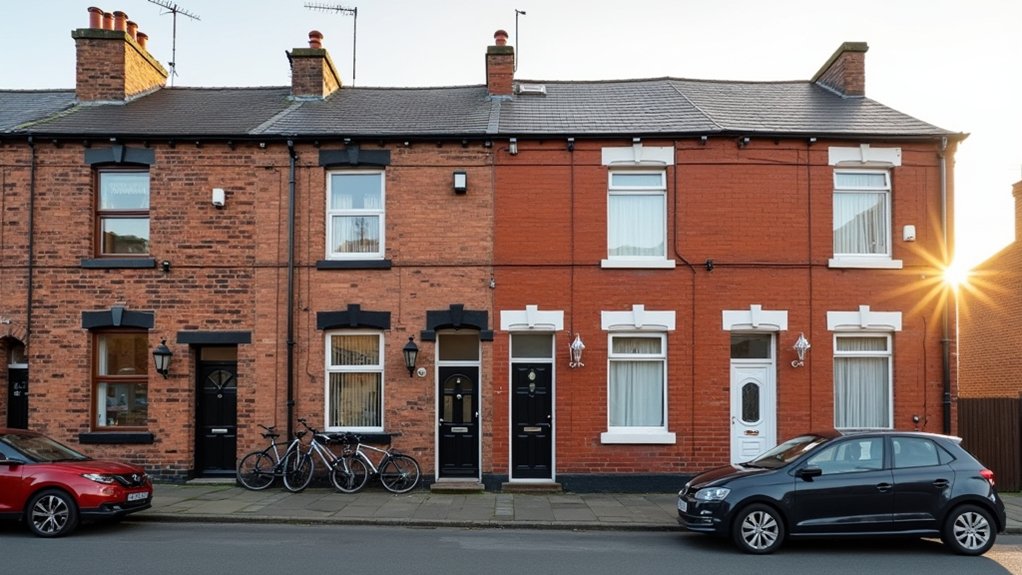
Compare returns by measuring net yield, not headline rent: HMOs may produce higher gross income, but extra voids, furnishing, utilities, cleaning, management, licensing, and compliance costs can reduce the margin.
Build a property-level model using realistic occupancy, maintenance, insurance, financing, tax, and reserve assumptions.
Compare annual net operating income with total cash invested, including acquisition, conversion, fire-safety upgrades, and professional fees.
Test sensitivity to one empty room, delayed repairs, regulatory changes, and interest-rate increases. These scenarios reveal investment risks that a gross-rent comparison hides.
Assess tenant diversity carefully: multiple occupants can spread arrears risk, yet turnover, disputes, safeguarding duties, and intensive management may increase operational exposure.
Verify licensing requirements, minimum room standards, alarms, emergency lighting, escape routes, and documented inspections before relying on projected returns.
Maintain contingency funds and review performance monthly.
Compare Rents in Burnley and Blackburn
Once your net-return model is built, check whether local rents support its assumptions in Burnley and Blackburn. Compare advertised and achieved rents for similar properties, separating room rates from whole-house rents.
In Burnley, assess demand near colleges, hospitals, transport links, and employment centres. In Blackburn, examine comparable neighbourhoods rather than applying town-wide averages.
Review at least three letting-agent appraisals and recent listings, recording size, furnishings, bills, parking, and tenancy terms.
Tenant preferences can explain rent differences: some renters prioritise en-suite rooms, while families may value gardens and schools.
Track Local market trends over several months, including void periods, incentives, and price reductions.
Verify licensing, occupancy, fire-safety, and space requirements before treating higher room rents as achievable.
Use conservative, evidence-based rent ranges and document every comparable for audit and future review.
Calculate Net HMO and Single-Let Yields
Calculate net yield separately for the HMO and single-let, using verified annual income rather than headline asking rents.
Deduct mortgage interest, insurance, management, repairs, compliance certificates, utilities, council tax, cleaning, furnishing replacement, voids, and bad-debt allowances from gross rent.
Divide the resulting annual net income by your total cash invested, including deposit, purchase costs, refurbishment, and furnishing, then multiply by 100.
For an HMO, model room-by-room occupancy, utility inflation, maintenance frequency, and realistic voids.
For a single-let, test longer void periods, reletting costs, and achievable tenant retention.
Keep contingency reserves for urgent repairs and safety-critical work; don’t treat optimistic occupancy as guaranteed profit.
Compare like-for-like net figures across Burnley and Blackburn, and show sensitivity at lower rents or higher costs.
Consider Property appreciation separately: it may improve overall returns, but it shouldn’t disguise weak cash yield.
Assess HMO Rules and Management Workload

Net yield only means what your compliance and management assumptions support.
For an HMO, check licensing thresholds with Burnley Council or Blackburn with Darwen, including occupancy limits, room sizes, amenity standards, fire precautions, alarms, emergency lighting, and inspection access.
Confirm whether additional or selective licensing applies to the property’s exact location.
Build tenant management time into your assessment: you’ll handle multiple agreements, shared facilities, maintenance reports, inspections, waste controls, and neighbour concerns.
Schedule regular safety checks and retain certificates for gas, electrical installations, fire equipment, and energy performance.
A single-let usually simplifies communication and inspections, but you still need robust legal compliance, documented repairs, deposit protection, and prompt hazard responses.
Price professional management, void coordination, and emergency call-outs realistically; underestimating workload can turn an apparently strong yield into an operational loss.
Choose the Strategy for Your Goals
Choose the strategy that matches your objectives, risk tolerance, and capacity to manage compliance. If you want simpler operations, predictable tenant demand, and easier resale, a single-let may suit you.
Assess achievable rent, void periods, maintenance costs, insurance, and mortgage conditions before committing.
Choose an HMO when higher gross income justifies additional management, licensing, fire safety, planning, furnishing, and utilities.
Confirm the property meets space standards, alarm requirements, escape provisions, and local licensing rules; never treat projected yield as guaranteed profit.
Review Market trends in Burnley and Blackburn, including employment, student demand, transport access, and competing supply.
Model Investment risks using conservative occupancy, interest-rate, repair, regulatory, and refurbishment assumptions.
Compare net yield, cash flow, and your available time.
Select the structure you can operate safely and fund through weaker trading periods.
Reassess annually.
Frequently Asked Questions
What Financing Options Are Available for HMOS Versus Single-Lets in Burnley and Blackburn?
You can finance HMOs through specialist commercial mortgages, bridging loans, or development finance; single-lets typically qualify for buy-to-let mortgages. Compare deposits, stress tests, fees, property taxes, and Rental management costs before committing.
How Do Tenant Demand and Void Periods Differ Between HMOS and Single-Lets?
HMOs often attract stronger demand and shorter voids, but tenant satisfaction depends on management, safety, and facilities. Single-lets offer steadier lease duration, fewer turnovers, and potentially longer voids between carefully screened tenancies.
What Insurance Coverage Is Required for HMO and Single-Let Properties?
You’ll need specialist landlord insurance covering buildings, contents, liability, and loss of rent. For HMOs, confirm licensing compliance, higher liability limits, and communal-area protection; single-lets typically require standard property protection and landlord cover.
How Can Property Condition and Refurbishment Costs Affect Investment Decisions?
Property condition can quietly reshape your returns. Assess structural defects, compliance risks, and required Property renovation before investing. Budget maintenance costs, contingencies, and voids; otherwise, unexpected repairs may undermine cash flow, safety, and profitability.
What Local Services and Amenities Influence Tenant Preferences in Each Area?
You’ll attract tenants by prioritising reliable Public transportation, nearby schools, healthcare, supermarkets, and employment hubs. Local attractions improve lifestyle appeal, while lighting, pedestrian routes, and emergency access strengthen safety and reduce vacancy risks.
Conclusion
You’ll achieve better yields by comparing net income, not headline rent. HMOs near colleges and transport hubs can outperform single-lets, but higher occupancy depends on competent management, licensing, fire safety, and reliable room demand. Single-lets offer simpler compliance and fewer operational risks, although vacancies and weaker rents can reduce returns. Stress-test both strategies for empty periods, repairs, management fees, and rent falls. Choose the model whose conservative, compliant cash flow best matches your skills and goals.