
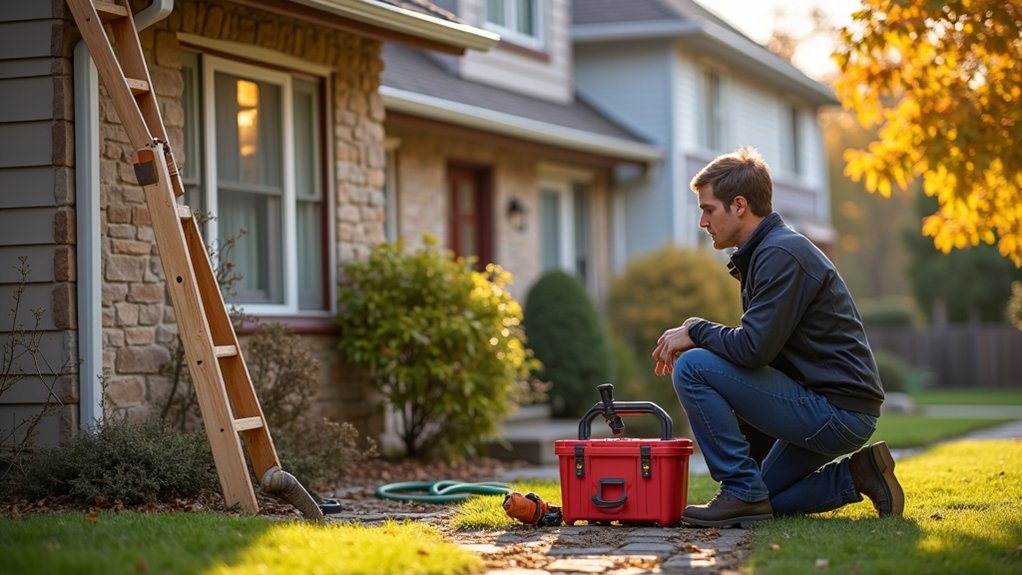
A little routine attention can prevent expensive surprises in your home. You should track inspections and repairs year-round, then adjust your maintenance plan as each season changes. Check exterior surfaces and drainage in spring, manage heat and ventilation in summer, inspect the roof before fall, and winterize pipes, windows, and HVAC equipment. Test alarms and look for leaks throughout the year, but know when a hidden problem warrants professional help—especially before it becomes a costly emergency.
Key Takeaways
- Inspect roofs, gutters, siding, windows, doors, and foundations seasonally for damage, leaks, rot, and drafts.
- Service HVAC systems, replace filters, clear vents, and prepare air conditioning and heating equipment before extreme temperatures.
- Winterize plumbing by insulating exposed pipes, draining outdoor hoses, and maintaining indoor temperatures above 55°F when away.
- Test smoke and carbon monoxide alarms, inspect electrical components, and address unusual odors, noises, overheating, or recurring breaker trips.
- Keep maintenance records with dates, photos, invoices, model numbers, and professional recommendations to track problems and warranties.
Track Year-Round Home Maintenance Tasks
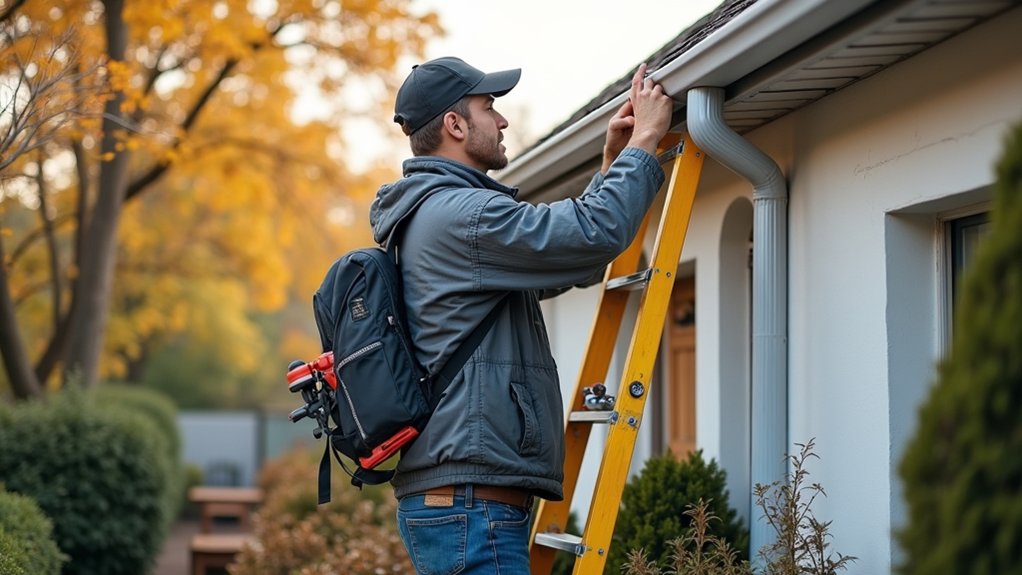
Track year-round home maintenance tasks with a written checklist or digital calendar that records each inspection, service date, and needed repair. Organize entries by system, location, frequency, and responsible professional.
Set reminders for monthly, quarterly, semiannual, and annual checks, then attach invoices, photographs, warranty details, and equipment model numbers. Record meter readings and unusual sounds, odors, leaks, or performance changes immediately; specific notes help you identify developing failures before they become expensive.
Include filter replacements, detector testing, appliance servicing, and exterior condition reviews without postponing overdue items. Your records support Home safety by documenting inspection history and emergency contacts.
They also improve energy efficiency by showing when heating, cooling, insulation, and weather-sealing work needs attention. Review the calendar at the start of every month, and close each task only after verifying completion.
Complete Essential Spring Home Maintenance
Spring maintenance starts with inspecting your roof and gutters for damage, leaks, and blockages.
Service your air-conditioning system by replacing filters and checking refrigerant lines.
Then refresh outdoor spaces by cleaning surfaces and testing irrigation equipment.
Inspect Roof And Gutters
After winter, inspect your roof and gutters for damage that could allow water into your home. During your roof inspection, examine shingles for cracks, curling, missing sections, and exposed fasteners. Check flashing around chimneys, vents, and skylights for gaps or lifting. Don’t walk on damaged or steep surfaces; hire a qualified professional when access is unsafe.
From the ground, look for sagging rooflines, loose debris, and granules accumulating near downspouts. Complete gutter cleaning by removing leaves, nests, and sediment, then flush each channel with a hose. Confirm that gutters slope toward their outlets and that downspouts discharge at least several feet from the foundation.
Tighten loose hangers, seal leaking joints with compatible gutter sealant, and replace crushed sections. Document defects and schedule repairs before spring rainfall exposes them.
Service Air Conditioning
Before warm weather arrives, service your air-conditioning system to guarantee reliable cooling and efficient operation. Replace the air filter if it’s dirty, then inspect the return grille and supply vents for obstructions. Clear leaves and debris from the outdoor condenser, and maintain adequate clearance around its cabinet.
With power disconnected, check accessible wiring for damage, but leave electrical repairs to a qualified technician. Schedule professional service to clean the evaporator and condenser coils, test refrigerant pressure, inspect the condensate drain, and measure blower performance.
Ask for thermostat calibration so the displayed temperature matches actual room conditions and cycling remains consistent. Test cooling at several thermostat settings, and confirm that each supply register delivers steady airflow.
Address unusual noises, odors, leaks, or short cycling before heavy use begins.
Refresh Outdoor Spaces
How can you make outdoor areas ready for regular use? Start by inspecting decks, patios, walkways, and retaining walls for cracks, loose fasteners, settlement, or water damage. Repair defects before they create trip hazards or allow further deterioration.
Clear leaves, branches, and accumulated debris from drains and hard surfaces, then wash them with a suitable cleaner.
Review your garden landscaping by pruning damaged growth, removing weeds, testing irrigation lines, and replenishing mulch without covering plant stems.
Check outdoor furniture for corrosion, loose joints, fabric damage, and unstable legs. Tighten hardware, replace failed components, and clean cushions according to their care instructions.
Apply protective sealant to compatible wood or masonry surfaces.
Finally, inspect exterior lighting, outlets, and cords; replace damaged parts and use ground-fault protection where required.
These steps will keep your outdoor spaces safe, functional, and inviting.
Prepare Your Home for Summer Heat
As temperatures rise, inspect your home’s cooling and heat-management systems before peak summer demand. Replace or clean your HVAC filter, verify that supply and return vents remain unobstructed, and schedule professional service if airflow is weak or cooling is uneven.
Test your thermostat and program higher settings when you’re away to reduce energy use. Seal gaps around doors and windows with appropriate weatherstripping, and confirm that attic insulation and ventilation meet local requirements.
Use ceiling fans counterclockwise to improve perceived comfort without lowering the thermostat. Apply landscaping tips that keep dense vegetation away from outdoor HVAC equipment while preserving airflow.
Install shade solutions, such as exterior blinds, awnings, or strategically placed deciduous trees, to limit solar heat gain. Monitor indoor humidity, and run a dehumidifier when levels exceed 60 percent.
Inspect Your Roof and Exterior Before Fall

Before fall, inspect your roof for missing, cracked, or damaged shingles and check flashing around vents and chimneys.
Seal gaps around windows, doors, siding, and utility penetrations to prevent moisture and drafts.
Address defects promptly to reduce leak and weather-related damage.
Check for Roof Damage
Inspect your roof and exterior now to identify damage that could worsen during fall storms.
During your roof inspection, examine shingles for curling, cracking, blistering, granule loss, or missing sections. Check valleys, ridges, and flashing around chimneys, vents, and skylights for lifted or corroded components.
From the ground, look for uneven rooflines, sagging, and granules accumulating in gutters. Don’t walk on a steep, wet, or damaged roof; use binoculars or hire a qualified roofing professional.
Document each defect with photographs and note its location. Replace isolated failures promptly, but extensive deterioration may require professional evaluation and shingle replacement across an entire slope.
Inspect soffits, fascia, and gutters for impact damage or rot, while keeping the assessment focused on structural condition.
Schedule repairs before temperatures fall and storms increase.
Seal Exterior Gaps
Seal gaps around windows, doors, utility penetrations, vents, and foundation joints before fall weather arrives. Inspect each area for cracked sealant, separated flashing, pest entry, or daylight. Remove loose material and clean surfaces before caulking gaps with an exterior-rated polyurethane or silicone sealant. Apply a continuous bead, then tool it smoothly to prevent water intrusion.
Check door frames and thresholds for worn or compressed seals. Replace damaged weatherstripping doors need to block drafts, or install properly sized adhesive-backed foam, tubular, or kerf-style weatherstripping. Confirm that doors close firmly without excessive resistance.
Around pipes, cables, and vents, use compatible sealants that tolerate movement and temperature changes. Don’t seal designed drainage openings or obstruct weep holes. After curing, test repairs with a light spray of water, and monitor them after heavy rain. These measures reduce heat loss, moisture damage, and pest entry.
Winterize Plumbing, HVAC, and Windows

As temperatures drop, winterize your home’s plumbing, HVAC system, and windows to prevent frozen pipes, reduce heat loss, and maintain reliable indoor comfort.
Add Plumbing insulation to exposed pipes in unheated garages, crawlspaces, and utility rooms.
Disconnect and drain outdoor hoses, then close interior shutoff valves serving exterior faucets.
Don’t set the thermostat below 55°F when you’re away.
Replace a clogged HVAC filter, clear supply and return vents, and schedule professional servicing if the system shows reduced airflow or unusual operation.
For windows, apply Window sealing materials around movable sashes and inspect weatherstripping for compression loss.
Install interior storm panels or thermal curtains where appropriate, but keep heat-producing equipment clear of fabric.
Open cabinet doors beneath sinks on exceptionally cold nights to allow warmer air around vulnerable plumbing.
Test Alarms and Check for Leaks
After winterizing plumbing, HVAC equipment, and windows, test every smoke and carbon monoxide alarm. Press each test button, confirm the audible signal, and replace batteries that fail or sound weak. For reliable fire alarm testing, verify alarms remain mounted correctly, free of dust, and within their service life. Don’t paint over sensors or disable interconnected units.
Next, inspect exposed supply lines, drainpipes, shutoff valves, water heaters, and appliance connections. Look for dampness, corrosion, mineral deposits, warped materials, or musty odors.
Use leak detection tablets in toilet tanks and check whether water reaches the bowl without flushing. Read your water meter before and after a two-hour period when no fixtures operate; movement may indicate a hidden leak.
Check ceilings, cabinets, and basement walls for staining, then document any changes for continued monitoring.
Know When to Call a Home Repair Pro
Call a qualified home repair professional when a problem involves gas lines, electrical panels, structural damage, refrigerant, major water leaks, or equipment you can’t safely isolate. These hazards require specialized tools, permits, and procedures that protect you and your home.
Schedule service if you notice recurring breaker trips, overheating outlets, foundation movement, hidden moisture, sewage odors, or a furnace that produces unusual combustion sounds.
For Emergency repairs, shut off the appropriate utility only if you can do so safely, evacuate when necessary, and contact licensed help immediately.
Use DIY assessments for visible, low-risk issues, such as replacing filters, tightening accessible hardware, or documenting a leak’s location.
Don’t remove covers, bypass safety devices, or continue operating damaged equipment.
Verify insurance, licensing, references, and written estimates before work begins.
Frequently Asked Questions
How Much Does a Typical Seasonal Home Maintenance Inspection Cost?
You’ll typically pay $150–$400 for a seasonal home maintenance inspection. Costs rise with property size, location, and scope. A Roof inspection or Gutter cleaning may add $100–$300 each, depending on condition and accessibility.
Which Home Maintenance Tasks Are Required for Insurance Coverage?
You’ll typically need functional smoke and carbon-monoxide detectors, maintained electrical, plumbing, heating, and roofing systems, plus documented repairs. Insurance requirements vary; review your policy for Policy compliance, exclusions, inspection deadlines, and maintenance obligations.
How Can Renters Adapt Seasonal Maintenance Checks for Their Living Space?
You can adapt renters’ inspection routines by checking smoke alarms, leaks, filters, windows, and appliances seasonally. Document damage, report hazards promptly, and handle temporary home upkeep without altering fixtures or violating lease requirements.
What Tools Should Homeowners Keep in a Basic Maintenance Toolkit?
Keep a 16-piece toolkit: hammer, screwdrivers, pliers, adjustable wrench, tape measure, level, utility knife, hex keys, drill, bits, flashlight, gloves, safety glasses, and fasteners. Tool organization supports maintenance scheduling and prevents delays.
How Do Smart Home Devices Simplify Seasonal Maintenance Reminders?
Smart device integration connects sensors, thermostats, and calendars, while Automated reminder systems schedule filter changes, inspections, and battery tests. You’ll receive timely notifications, track completion, and reduce missed tasks through centralized, automated monitoring.
Conclusion
Your home is a small ship, and seasonal maintenance keeps it seaworthy. Track repairs, inspect spring exteriors, prepare for summer heat, and check the roof before fall storms arrive. Winterize pipes, HVAC systems, and windows before freezing weather tests them. Test alarms and investigate leaks promptly; they’re early warning buoys. When damage exceeds your tools or expertise, call a qualified professional. With consistent checks and accurate records, you’ll protect your home’s safety, efficiency, and value year-round.