
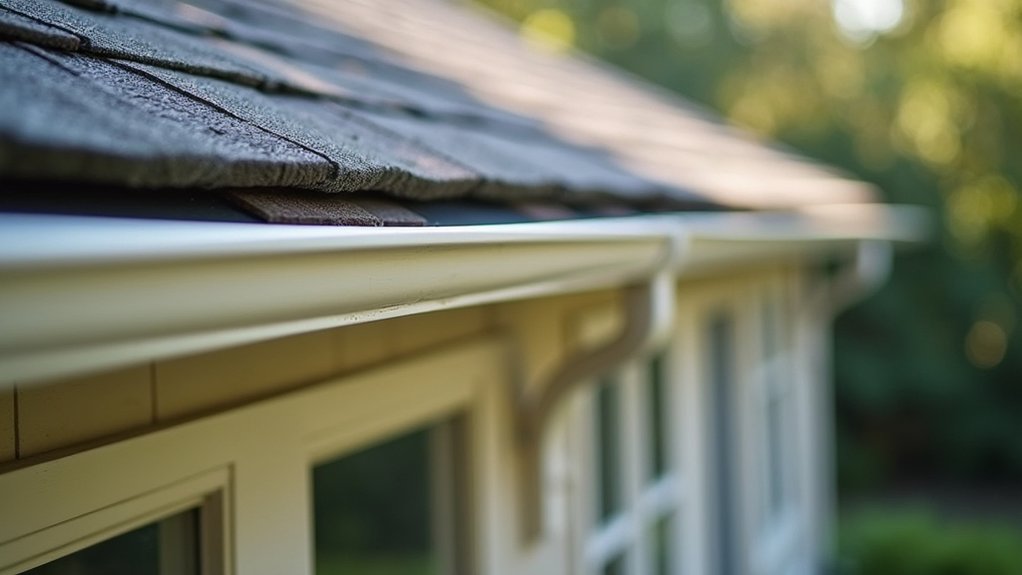
If you notice peeling paint, sagging gutters, or soft wood along your roof’s edge, your fascia board may have water damage. This long, straight board seals the rafter ends, supports gutter hardware, and helps protect your roof structure from moisture and pests. You’ll need to understand its location, materials, and warning signs before attempting repairs, because working near roof edges can cause serious falls and may hide deeper structural problems.
Key Takeaways
- Fascia boards are long, straight boards attached to roof rafter ends along the roofline.
- They create a finished roof edge, protect framing from weather, and provide support for gutters.
- Fascia may be made from wood, aluminum, vinyl, composite, or engineered materials.
- Common damage signs include peeling paint, discoloration, cracks, sagging, soft spots, loose gutters, and insect activity.
- Inspect fascia regularly, repair minor damage promptly, and hire professionals for severe rot, instability, or elevated work.
What Is a Fascia Board?
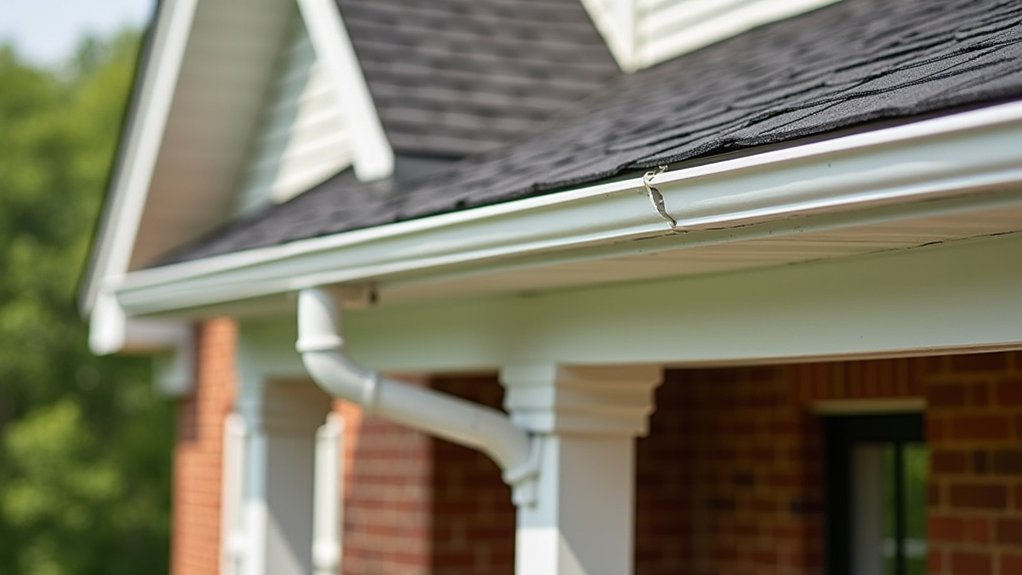
A fascia board is a long, straight board attached to the ends of roof rafters or trusses along the roofline. It creates a finished edge, supports certain gutter systems, and helps shield roof framing from weather.
You’ll commonly find fascia made from wood, aluminum, vinyl, or engineered materials. Each option differs in durability, maintenance needs, cost, and appearance.
During fascia installation, you must use sound, properly sized boards and fasten them securely to structural framing. Seal exposed wood, maintain consistent joints, and protect cut ends to reduce moisture damage.
Good fascia aesthetics depend on straight lines, tight seams, and a finish that complements your siding and roof.
Before working above ground, inspect ladders, wear fall protection when required, and keep tools secured.
Replace any fascia showing rot, splitting, or loosened fasteners promptly.
Where Are Fascia Boards Located?
You’ll find fascia boards along the lower edges of sloped roofs, where the rafter or truss ends meet the exterior walls. They typically run horizontally beneath the roofline and behind the gutters.
On gable ends, you may also see fascia along the sloping roof edges, covering the exposed rafter tails. Look for these boards at the roof perimeter, including eaves, gable edges, and junctions around dormers or roof extensions.
During fascia board installation, you’ll need accurate measurements because boards must align with the roof framing and adjoining trim.
For fascia board maintenance, inspect these locations for rot, splitting, loose fasteners, peeling paint, and pest damage.
Use a stable ladder, maintain three points of contact, and avoid working near overhead power lines. Hire a qualified professional for elevated or extensive repairs.
What Does a Fascia Board Do?
Fascia boards finish the roof edge while supporting gutters and protecting the roof framing from weather. They create a straight, finished boundary along the eaves and cover exposed rafter tails. By sealing this vulnerable area, fascia helps limit water intrusion, wind-driven rain, insect access, and decay.
You’ll also gain a stable surface for soffit installation and roof-edge ventilation components, when properly designed. Inspect the board for soft spots, cracks, peeling paint, rusted fasteners, and separation at joints. Repair leaks and damaged wood promptly; don’t rely on paint to conceal structural deterioration.
Choose treated wood, PVC, or metal according to climate and local requirements. Historical significance matters because traditional materials may require compatible repairs. Consider environmental impact by selecting durable, responsibly sourced materials and recycling removed boards safely.
Never work near roof edges without fall protection.
How Fascia Boards Hold Up Gutters
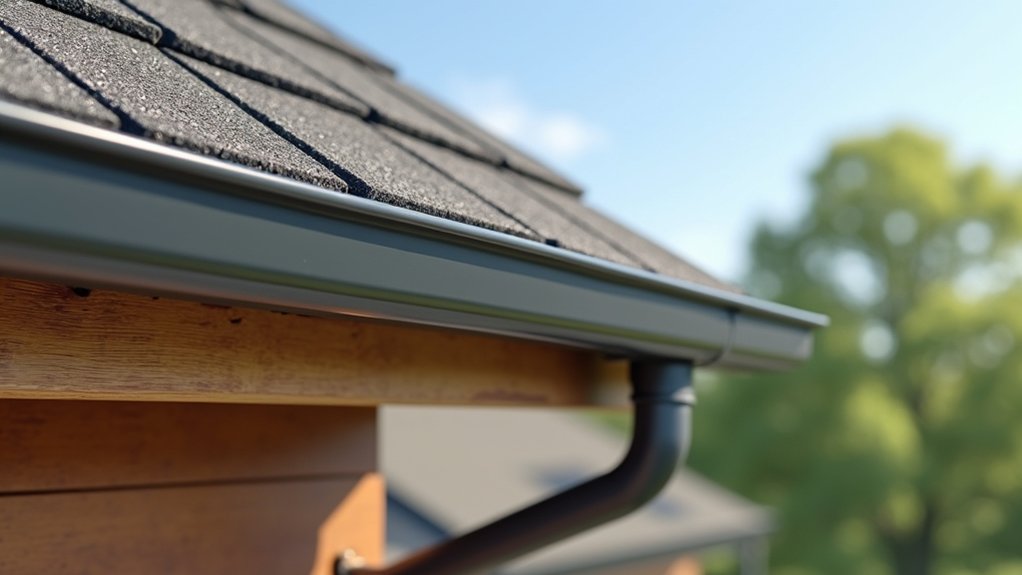
When installed correctly, fascia boards provide the solid, continuous mounting surface gutters need. You attach gutter hangers through the fascia and into structural framing, creating reliable Gutter support along the roofline. Space hangers according to the manufacturer’s instructions, typically closer together in areas with heavy snow or long gutter runs.
Before installation, inspect the board for rot, splitting, or loose fasteners; damaged wood can’t hold screws securely.
Your Roof overhang affects where you position the gutter, so keep it below the roof edge while maintaining enough slope toward each downspout.
Use corrosion-resistant screws and seal exposed holes to limit water entry. Don’t rely on thin trim alone: choose fasteners long enough to penetrate sound framing.
Wear eye protection, secure your ladder, and never work near electrical lines.
Fascia, Soffits, and Rafter Tails
Although they work together at the roof edge, fascia, soffits, and rafter tails serve different purposes.
You’ll find fascia attached to the ends of rafters, creating a straight, protective edge and a mounting surface for gutters.
Soffits close the underside of the roof overhang. They often include vents that help air circulate through the attic, reducing moisture buildup.
Rafter tails are the structural members extending beyond the exterior wall; the fascia usually covers their exposed ends.
During fascia maintenance, inspect these connections for rot, cracks, loose fasteners, insect damage, and blocked soffit vents.
Check that water drains away from the wall and doesn’t enter the eaves.
Before gutter installation, confirm that the fascia is sound enough to support brackets.
Use stable scaffolding or a properly positioned ladder, and wear eye protection when cutting, drilling, or removing damaged components.
Which Materials Make Good Fascia Boards?
You can choose wood fascia for its strength and easy customization, but you’ll need to seal and inspect it regularly for moisture damage.
Vinyl and composite fascia resist rot and reduce maintenance, though you must verify their load capacity and follow the manufacturer’s installation requirements.
Select a material that suits your climate, roof design, and safety needs.
Wood Fascia Boards
Wood remains a practical fascia-board material because it’s easy to cut, fasten, and match to traditional roof trim, but you must choose a decay-resistant species and protect every exposed surface. Cedar, redwood, and properly treated pine can perform well when you install them with adequate ventilation and drainage.
Check each board for straightness, splits, soft spots, and excessive knots before cutting. Preserve the end grain, prime all sides, and seal cut edges immediately. Use corrosion-resistant fasteners, and keep boards clear of roof runoff and standing water.
Wood texture can complement your home’s exterior, but it also reveals moisture damage early. Follow these Maintenance tips: inspect annually, repaint peeling areas, replace swollen sections, and verify that gutters don’t overflow onto the fascia.
Wear eye protection and stabilize ladders during installation.
Vinyl And Composite Options
Vinyl and composite fascia boards offer low-maintenance alternatives to wood, especially where moisture, insects, and repainting are concerns. You’ll find vinyl lightweight, rot-resistant, and easy to clean, but it can become brittle in extreme cold or warp under intense heat.
Composite fascia, typically made from recycled plastic and wood fibers, provides stronger material durability and often resembles painted wood. Before choosing, check the manufacturer’s span, fastening, and temperature requirements.
You must support either product properly; unsupported edges can sag, and loose fasteners can allow wind damage. Install compatible drip edges and keep ventilation openings clear to protect the roof system.
Match color and profile to your siding for consistent exterior aesthetics. During cutting, wear eye protection and a dust mask, particularly with composite products.
Inspect joints annually for movement or moisture intrusion.
What Causes Fascia Board Damage?
Fascia board damage usually results from prolonged moisture exposure, poor roof drainage, pest activity, or physical impact. Water intrusion can occur when damaged shingles, flashing, gutters, or roof edges direct runoff behind the fascia. If you don’t correct these drainage defects, wood can absorb moisture, swell, soften, and eventually decay.
An overflowing or improperly pitched gutter also concentrates water along one section, accelerating deterioration. A pest infestation may involve carpenter ants, termites, or birds that weaken wood while seeking food, shelter, or nesting space.
High winds, falling branches, ladders, and improper maintenance can cause cracks or impact damage. Temperature changes may worsen splits through repeated expansion and contraction.
Before repairs, address the moisture source and use safe ladder practices; extensive damage may require a qualified roofing professional.
How to Spot Damaged Fascia Boards
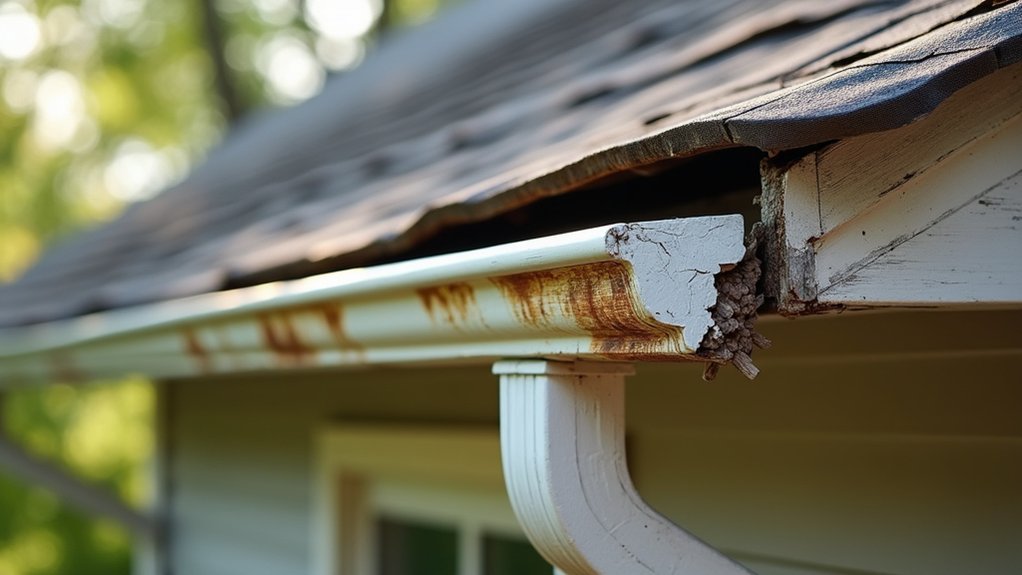
How can you tell when a fascia board needs attention? Inspect it from ground level for peeling paint, discoloration, sagging, cracks, or separation at joints. Dark streaks and soft-looking areas may indicate persistent moisture or rot. Use binoculars to examine upper edges without climbing unnecessarily.
Check for loose gutters, pulled nails, or gaps where the fascia meets the roofline; these signs can reveal movement or water entry. During inspection, look for insect holes and frass, which may signal hidden deterioration.
Don’t probe unstable boards or access steep roofs without proper fall protection. Keep ladders on firm, level ground, and maintain three points of contact.
Although fence maintenance differs, the same habit of routine visual checks helps identify moisture damage early. Also inspect nearby roof insulation for dampness, staining, or compressed areas, which can indicate leakage around the fascia.
Should You Repair or Replace Fascia Boards?
Whether you should repair or replace a fascia board depends on the extent of the damage and the condition of the surrounding roof edge. Repair minor issues, such as small cracks, loose fasteners, or limited rot, after removing damaged material and sealing exposed wood.
Replace the board when rot extends deeply, warping affects alignment, insects have caused structural damage, or water intrusion has compromised adjacent components.
For effective fascia maintenance, inspect the soffit, drip edge, gutters, and rafter tails before choosing a solution.
The Repair vs. replacement decision also depends on matching existing dimensions and materials.
Wear eye protection, use a stable ladder, and avoid working near electrical lines.
If the roof edge feels unstable or damage is widespread, hire a qualified roofing professional to assess and complete the work safely.
Frequently Asked Questions
How Much Does Fascia Board Replacement Typically Cost?
You’ll typically pay $1,500–$3,000 for fascia board replacement, or $6–$20 per linear foot. Cost considerations include labor, access, damage, and material options; inspect for rot, address moisture, and hire licensed professionals safely.
Can Homeowners Install Fascia Boards Themselves?
Yes, you can tackle DIY installation, but it’s no walk in the park. Measure carefully, use proper tools, follow safety precautions, and inspect roof edges. Hire professionals for steep roofs, structural damage, or difficult access.
What Tools Are Needed to Install Fascia Boards?
You’ll need a tape measure, level, circular saw, drill, screws, ladder, pry bar, utility knife, hammer, caulk gun, and safety glasses. Compare material options, then apply proper installation techniques while securing ladders and cutting cautiously.
How Often Should Fascia Boards Be Inspected?
Don’t wait until trouble knocks: inspect fascia boards twice yearly—spring and fall—and after severe storms. Check rot, cracks, loose fasteners, and pests; coordinate roof ventilation and gutter maintenance, using safe access or hiring professionals.
Do Fascia Boards Require Painting or Sealing?
Yes, you should paint or seal fascia boards, especially wood, to prevent moisture damage. Include this step in your fascia maintenance plan, and use exterior painting products rated for your climate. Inspect annually, and repair deterioration first.
Conclusion
A sound fascia board keeps your roofline secure, gutters supported, and moisture outside where it belongs. Inspect it regularly for soft spots, peeling paint, staining, sagging, or pest damage. If you find trouble, don’t ignore it: repair minor issues promptly, but replace severely rotted sections before they compromise surrounding wood. Use proper fall protection, stable ladders, and weather-resistant materials. With careful checks and timely maintenance, you’ll preserve a clean, strong, storm-ready roof edge for years.