

You’ll compare purchase prices, rental demand, and operating costs across Preston, Bolton, and Rochdale to identify the strongest HMO cash-flow opportunity. Preston may offer faster lettings, Bolton stronger employment-led demand, and Rochdale lower acquisition costs, but each market carries different compliance, refurbishment, and void risks. To choose well, you’ll need to test realistic rents, occupancy, finance, and management costs—because the highest headline yield may not produce the best net return.
Key Takeaways
- Preston offers broad student and professional demand, accessible purchase prices, and faster lettings, but seasonal voids require careful management.
- Bolton combines established employment corridors, transport links, and steady worker demand, potentially delivering stronger cash flow after licensing and refurbishment costs.
- Rochdale provides lower entry prices, but sharper pricing, older housing stock, and weaker demand may increase refurbishment and vacancy risks.
- Compare net cash flow using realistic rents, occupancy, utilities, management, financing, maintenance, licensing, and compliance costs—not headline yields.
- Prioritize compliant layouts near transport and amenities, while retaining reserves for voids, repairs, regulatory upgrades, and unexpected operating costs.
Which HMO Market Offers the Best Potential?

If you’re comparing Preston, Bolton and Rochdale for HMO investment, the strongest opportunity depends on the balance between tenant demand, purchase costs, achievable room rents and local regulation. You should assess each market through net cash flow, not headline yields.
Preston may offer a broad tenant base and varied property stock, while Bolton can provide access to established employment corridors and transport links. Rochdale may suit a lower-entry strategy, but you’ll need to scrutinise demand depth and exit liquidity.
Market saturation matters: concentrated HMO streets can intensify void risk, management pressure and pricing competition.
Regulatory challenges also vary, including licensing requirements, planning restrictions, minimum room standards and selective licensing zones. Compare compliant property availability, conversion costs, operating expenses and enforcement risk before choosing.
The best market is the one that preserves cash flow after realistic costs, not the cheapest purchase.
Preston HMO Prices, Rents and Demand
You’ll need to compare Preston’s HMO purchase prices with achievable room rents before estimating your gross yield.
Assess tenant demand by location, especially around universities, hospitals and transport links.
Then test whether occupancy assumptions, operating costs and financing leave a reliable cash surplus.
Preston HMO Purchase Prices
Preston HMO purchase prices are typically more accessible than those in many larger North West markets, but the headline price shouldn’t drive your decision. You’ll need to assess the total acquisition cost, including stamp duty, conveyancing, surveys, lender fees, and any specialist HMO mortgage charges.
Then budget realistically for refurbishment, fire-safety upgrades, licensing, furniture, and contingency. A lower-priced property may require substantial works, reducing your usable cash flow and delaying completion.
Compare terraces and converted properties by purchase price per compliant bedroom, not floor area alone. Check planning restrictions, Article 4 requirements, licensing standards, and potential limits on occupancy before you commit.
Your investment strategies should also account for capital reserves and property management costs. A thorough survey and contractor schedule will help you negotiate confidently and avoid expensive surprises.
Rents and Tenant Demand
Rental demand in Preston is strongest where HMOs offer affordable, well-connected accommodation near the university, hospital, city centre, and major employment areas. You’ll typically achieve better occupancy by providing clean rooms, reliable broadband, bills-inclusive pricing, and practical communal facilities.
Compare local listings before setting rents, then test pricing against Tenant affordability rather than relying on headline yields. Graduate workers and students may accept premiums for en-suite rooms, while budget tenants prioritise low weekly costs.
Your cash flow depends on maintaining occupancy, controlling utilities, and preventing arrears. Effective Property management matters: respond quickly, inspect regularly, and resolve maintenance issues before they damage reviews or trigger voids.
Model seasonal demand, licensing costs, furnishing, and agent fees. A modest rent with consistent occupancy can outperform an aggressive price that increases turnover and vacancies.
Bolton HMO Prices, Rents and Demand
Bolton’s HMO market can offer a lower entry price than Preston, while maintaining steady demand from workers, students and relocating tenants. You may find terraced properties suitable for conversion at accessible prices, but you’ll need to budget carefully for planning, fire safety upgrades, bathrooms, kitchens and furnishing.
Compare achieved room rents, not optimistic listings, then stress-test your mortgage, voids, utilities, management and maintenance costs. Stronger rental yields can result when purchase prices remain controlled, although higher yields often reflect additional refurbishment or management risk.
Check local comparables to identify realistic pricing by room size and en-suite provision. Assess market saturation street by street: competing HMOs can limit occupancy and force discounts.
Before you commit, verify licensing requirements, tenant demand, transport links and employment access, ensuring projected cash flow remains positive after all operating expenses and contingency reserves.
Rochdale HMO Prices, Rents and Demand
In Rochdale, you’ll need to compare HMO purchase prices with expected yields and refurbishment costs.
Assess average room rents across target areas, then test whether projected income covers finance, compliance and management expenses.
Finally, track tenant demand trends to identify viable room types, occupancy risks and pricing limits.
Rochdale HMO Property Prices
Rochdale’s lower entry prices can give you a more accessible route into HMO investment, but the numbers only work when purchase cost, conversion spend and achievable room rents are assessed together. Compare asking prices with completed sales, then allow for stamp duty, finance, surveys, planning advice and refurbishment.
Terraced properties near transport links may suit conversion, but restrictive layouts, limited parking or expensive structural work can undermine the apparent discount. Obtain a measured floor plan and test your design against licensing standards before making an offer.
Your investment strategies should also account for voids, utilities, insurance, repairs and compliance costs rather than focusing solely on the headline price. Strong Property management can protect occupancy and reduce avoidable expenditure, helping you judge whether Rochdale’s purchase economics support your required cash flow and contingency margin.
Average Room Rental Rates
A realistic Rochdale HMO room rate depends on location, en-suite provision, furnishings and bills, with shared rooms often achieving roughly £450–£600 per month and en-suite rooms commonly reaching £550–£700, subject to current listings and tenant demand.
When you set your appraisal, compare like-for-like listings and separate inclusive from exclusive bills. Estimate utilities, broadband, cleaning and void periods before calculating net cash flow.
Market saturation can limit achievable rents, particularly where several upgraded HMOs compete nearby, so don’t rely on headline asking prices. Premium specifications may justify the upper range, but only if your refurbishment cost supports the required yield.
Regulatory challenges, including licensing standards, room-size rules and fire-safety works, can increase expenditure without proportionate rental uplift.
Test conservative, base and optimistic rates, then stress-test affordability after finance, maintenance and management costs.
Local Tenant Demand Trends
Although demand varies by neighbourhood and tenant type, Rochdale’s HMO market generally relies on affordability-led demand from commuters, local workers, students and residents seeking bills-included accommodation. You’ll typically find stronger enquiry near transport links, employment areas, supermarkets and established Local amenities.
While peripheral streets may require sharper pricing or better furnishings, it is important to track viewing-to-application ratios, enquiry volumes and void periods by postcode rather than relying on town-wide averages. Room demand can shift seasonally, particularly around academic terms and employment changes, so maintain a modest cash reserve for vacancies.
Tenant satisfaction directly supports retention: provide reliable broadband, clean communal areas, responsive maintenance and transparent bills. Review comparable listings weekly, then adjust rent, inclusions and marketing channels.
Prioritise layouts offering practical room sizes, secure access and efficient shared facilities to protect occupancy and cash flow.
Compare HMO Tenants and Void Risk
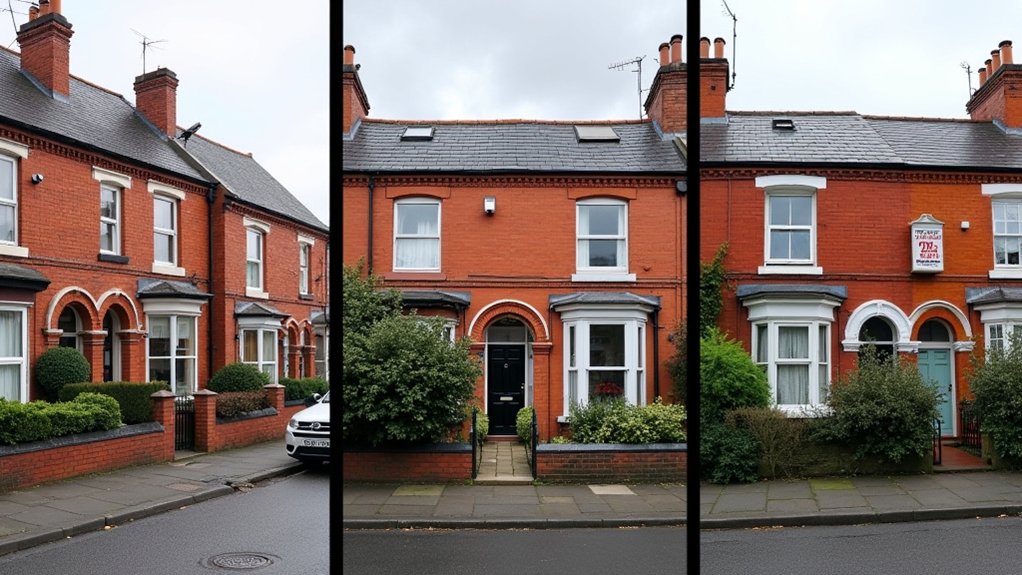
Tenant demand and void risk vary across Preston, Bolton and Rochdale, so you’ll need to assess each market rather than assume a room-by-room model guarantees occupancy.
Preston’s student and professional demand can support faster lettings, but seasonal gaps require careful advertising.
Bolton may attract workers and graduates, while Rochdale often needs sharper pricing and stronger property presentation to maintain enquiry levels.
Match room sizes, bills, furnishings and house rules to your target tenant; misalignment increases turnover and empty periods.
Use Tenant screening to verify income, references, affordability and employment, reducing arrears and avoidable re-letting costs.
For Void management, track notice periods, pre-market rooms before departure, maintain flexible viewing slots and keep essential repairs scheduled between tenancies.
Compare enquiry-to-viewing and viewing-to-let rates monthly, then adjust marketing or room specifications promptly.
What Will Your HMO Cash Flow Look Like?
Once you’ve tested demand and void assumptions, model how rent, operating costs and finance payments affect monthly cash flow in each market.
Build a property-level spreadsheet for Preston, Bolton and Rochdale, showing room income, utilities, council tax, insurance, repairs, cleaning, management and compliance costs.
Include setup expenditure separately, so you don’t confuse refurbishment cash needs with recurring performance.
Stress-test occupancy, achievable rents, utility inflation and maintenance rather than relying on headline yields.
Market regulation may require licensing upgrades, fire-safety works or additional inspections, reducing early cash flow.
Compare Financing options by modelling interest rates, fees, deposits and repayment structures; a cheaper loan can still produce weaker monthly cash flow if amortisation is higher.
Calculate cash flow after tax, then retain a reserve for voids, repairs and regulatory surprises before judging affordability or projected returns.
Which HMO Market Fits Your Strategy?
Your best HMO market depends on your strategy, not just the highest projected yield. If you prioritise affordability and steady tenant demand, Preston may suit a lower-entry Investment strategy, provided you budget for compliance upgrades and voids.
Bolton can offer stronger cash-flow potential, but compare purchase prices, licensing requirements, and local competition before committing.
Rochdale may appeal if you’re targeting value-led acquisitions, although older properties could require substantial refurbishment and ongoing maintenance.
Market regulation should shape your decision from the outset. Check selective or additional licensing, minimum room sizes, amenity standards, planning constraints, and inspection practices in each council area.
Then stress-test rent, occupancy, utilities, management, finance, and repairs. Choose the market where projected net cash flow remains resilient after realistic costs—not the location with the most attractive headline yield or optimistic assumptions.
Frequently Asked Questions
What Licensing Requirements Apply to HMOS in Preston, Bolton and Rochdale?
You’ll need mandatory licensing for five-plus occupants from two or more households; check each council’s additional licensing zones, planning rules, standards, fees, fire safety, tenant screening, and rental management obligations before letting.
How Much Does Converting a Property Into an HMO Typically Cost?
You’ll typically spend £30,000–£100,000 converting an HMO, like rebuilding a ship before sailing. Your costs cover planning, fire safety, bathrooms, kitchens, and furnishings; Investment strategies should follow Market demand and local licensing requirements.
Which Planning Permissions Are Needed for an HMO Conversion?
You’ll typically need planning permission for a material-use change, especially from C3 to C4 or sui generis HMO. Check local Article 4 directions, building regulations, licensing, fire safety, property management, and tenant regulations.
What Fire Safety Standards Must HMO Landlords Meet?
You must follow Fire safety regulations: install alarms, emergency lighting, protected escape routes, fire doors, extinguishers, and fire-risk assessments. Test systems, maintain records, train occupants, and strengthen emergency preparedness; check local licensing conditions too.
How Can Landlords Finance an HMO Purchase and Refurbishment?
You can finance an HMO through bridging loans, commercial mortgages, refurbishment finance, or investor equity; 70% of property investors cite funding as their biggest barrier. Model tenant management, rental income strategies, costs, contingencies, and refinancing carefully.
Conclusion
Ultimately, no single market guarantees maximum HMO cash flow. Preston may let you fill rooms faster, while Bolton’s employment and student demand can support steadier income. Rochdale can produce the strongest margin only if you buy well and budget for refurbishment. Test the theory using actual room rents, finance, licensing, utilities, management, maintenance, and void assumptions—not headline yields. Choose Preston for liquidity, Bolton for resilience, or Rochdale for value-led upside, provided your compliance and demand checks support it.