
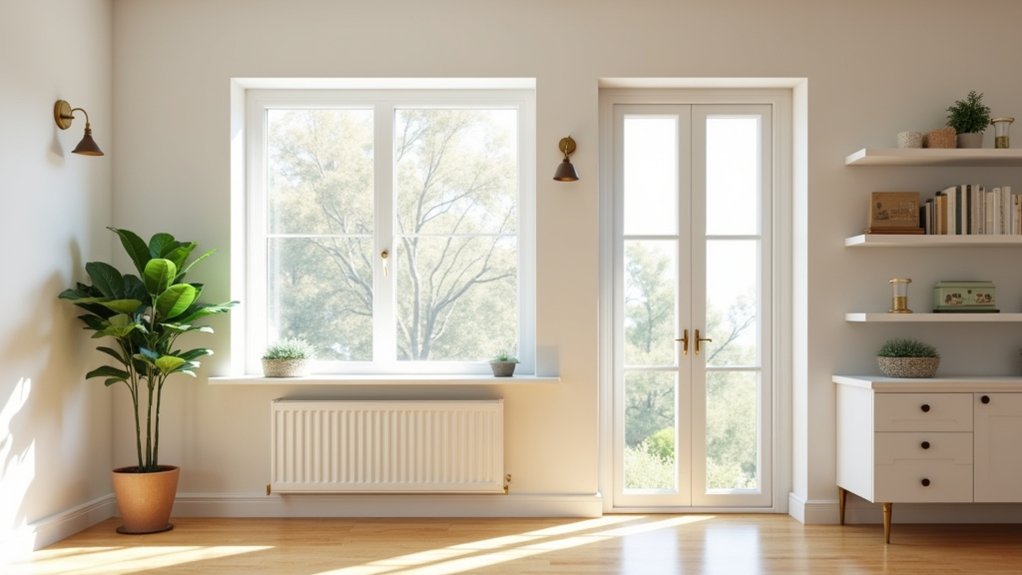
You can improve comfort, appearance, and efficiency without major construction. Start by setting a realistic budget, then prioritize changes that solve visible or costly problems. Fresh paint, brighter lighting, updated hardware, draft sealing, and smarter storage can transform daily use with limited disruption. Work safely by testing surfaces, switching off power before electrical tasks, and using proper ventilation. A few exterior updates can also strengthen curb appeal—and the best results often begin with one overlooked detail.
Key Takeaways
- Refresh walls with cleaning, patching, priming, and durable paint in carefully chosen colors.
- Improve lighting with energy-efficient LEDs, task lighting, and cleaner windows to make rooms feel brighter.
- Update cabinets, doors, and hardware by tightening, adjusting, repainting, or replacing worn components.
- Seal drafts around windows, doors, and attic hatches to improve comfort and energy efficiency.
- Increase storage and curb appeal with organized shelving, trimmed landscaping, clean entryways, and updated exterior hardware.
Set a Budget for Basic Home Improvements
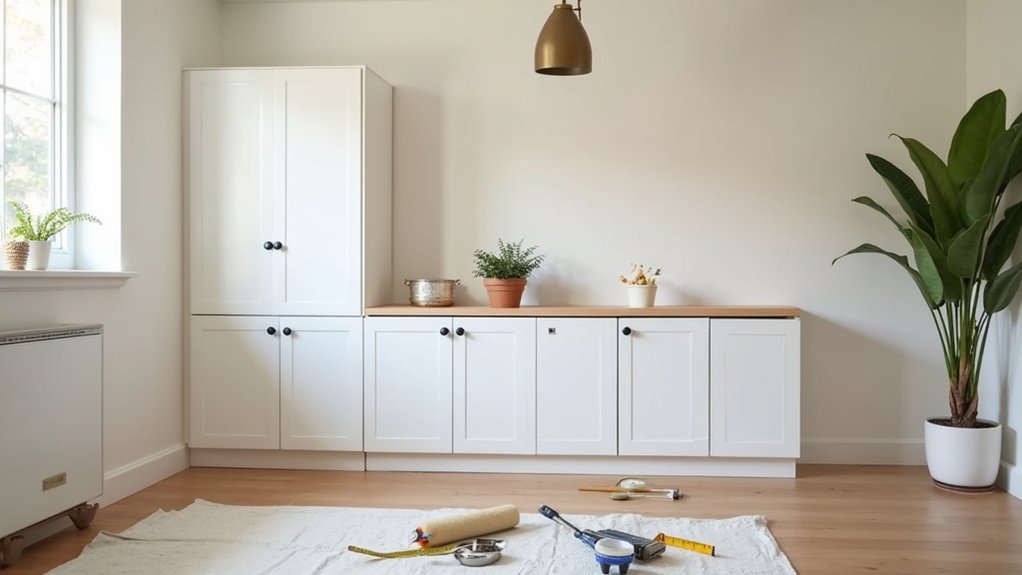
Set a realistic budget before beginning basic home improvements, including materials, permits, tools, labor, and waste-disposal costs. List each task, estimate quantities, and compare prices from several suppliers. Add a contingency reserve of 10–20 percent for hidden damage, measurement errors, or required upgrades.
Practice budget prioritization by addressing safety hazards, water intrusion, structural concerns, and code requirements before cosmetic changes. Confirm whether permits, inspections, or licensed tradespeople apply to your project; skipping them can create liability and costly rework.
For cost-effective planning, reuse suitable materials, rent specialized tools, and schedule related tasks together to reduce delivery and labor charges. Keep receipts, warranties, and payment records in one file.
Don’t borrow against essential expenses, and stop work if costs exceed your approved limit.
Refresh Walls With Affordable Paint
Refresh walls affordably by cleaning, patching, and priming them before applying paint. Remove dust and grease with mild detergent, then let surfaces dry completely. Fill nail holes and cracks with lightweight spackle, sand them smooth, and wipe away residue. Use painter’s tape to protect trim, floors, and hardware, and cover furnishings with drop cloths.
Choose coordinated Color palettes that suit your room’s purpose and existing furnishings. Compare sample cards in daylight and test a small area before buying enough paint.
Select durable paint finishes: eggshell or satin generally handles regular cleaning better than flat paint, while semi-gloss works well on trim and moisture-prone surfaces.
Ventilate the room, wear eye protection, and follow the label’s drying and recoat times. Don’t paint over damp or peeling areas; correct those problems first for a lasting result.
Brighten Rooms With Better Lighting
Good lighting can make rooms feel larger, improve visibility, and reduce eye strain when you combine ambient, task, and accent fixtures.
Start by maximizing natural light: clean windows, remove heavy obstructions, and use light-filtering shades for glare control.
Replace outdated bulbs with efficient LEDs, choosing color temperature by use: warm white suits living areas, while neutral or cool white supports kitchens, offices, and workshops.
Select lighting fixtures with suitable lumen output, beam spread, and compatible dimmers.
Add under-cabinet task lighting, reading lamps, or motion-activated pathway lights where you need focused illumination.
Keep cords away from walkways, use damp-rated products in bathrooms, and never exceed a fixture’s wattage rating.
Turn off power at the breaker before replacing hardwired fixtures, and hire a qualified electrician for new wiring or uncertain connections.
Update Cabinets, Doors, and Hardware
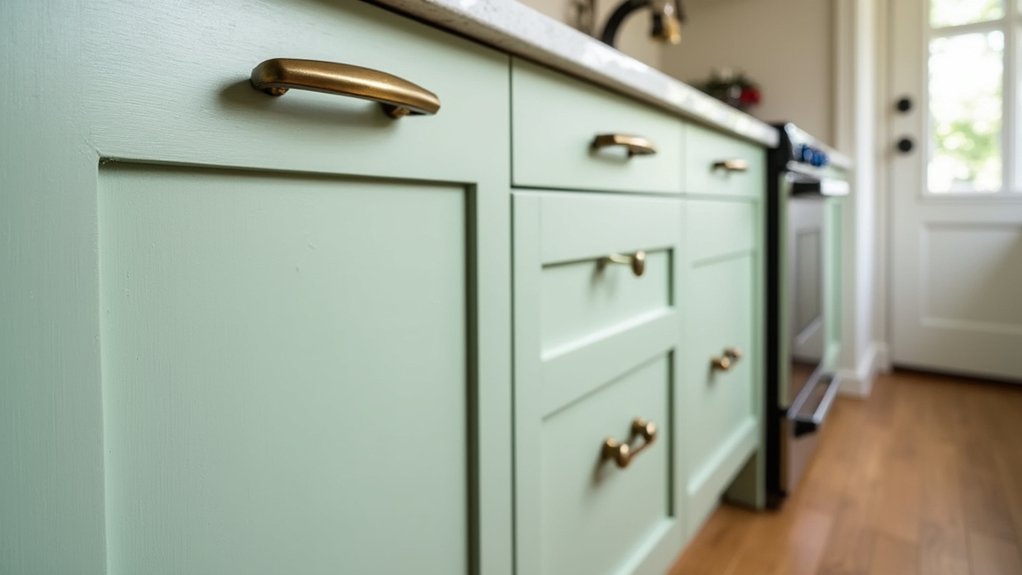
Updating cabinets, doors, and hardware can improve function and appearance without replacing entire assemblies. Start by tightening hinges, adjusting drawer slides, and replacing damaged catches.
Before cabinet painting, clean surfaces, remove grease, scuff glossy finishes, and repair chips. Remove doors and label each hinge position so reinstallation stays accurate. Use a bonding primer and durable trim enamel, applying thin coats in a ventilated area. Wear gloves, eye protection, and a properly rated respirator when product labels require one.
For hardware upgrades, measure existing hole spacing before ordering knobs, pulls, or handles. New hardware should match the door thickness and include appropriately sized screws.
Replace loose door levers, lubricate hinges with a suitable product, and check that latches engage smoothly. Support heavy doors during hinge work, and shut off power before working near wired components such as illuminated cabinets.
Seal Drafts and Cut Energy Costs
To seal drafts and reduce energy costs, inspect window sashes, door frames, attic hatches, and plumbing or wiring penetrations for air leaks.
On a windy day, move a smoke pencil or incense stick near suspected gaps; a wavering trail indicates infiltration.
Apply caulk to stationary joints and use weather stripping around movable doors and windows.
Install a door sweep to close the threshold without preventing operation.
For larger openings, pack appropriate backer rod before caulking, and seal attic penetrations with fire-rated materials where required.
Consider insulation upgrades in the attic, crawl space, or exterior walls, but don’t cover recessed lights unless they’re rated for insulation contact.
Wear gloves, eye protection, and a dust mask when handling insulation.
Turn off power before sealing near electrical fixtures, and consult a professional if you find damaged wiring, mold, or combustion-appliance backdrafting.
Add Storage Without Remodeling
Once drafts are sealed, reclaim unused space with storage upgrades that don’t alter walls, wiring, or plumbing. Install adjustable shelving in closets, above doorways, or beneath stairs, but anchor units to studs and follow the manufacturer’s load ratings.
Use under-bed drawers, over-the-door organizers, and stackable bins to keep floors clear and improve access. Creative storage works best when you group items by frequency of use: place daily essentials at waist height and seasonal goods higher up.
Add labeled containers to reduce searching and prevent clutter. Hidden compartments, such as bench seats with hinged lids, can store valuables, but avoid blocking vents, electrical panels, exits, or plumbing access.
Before drilling, scan for wires and pipes, wear eye protection, and use proper anchors for your wall type. Review fasteners periodically for looseness.
Boost Curb Appeal With Simple Updates
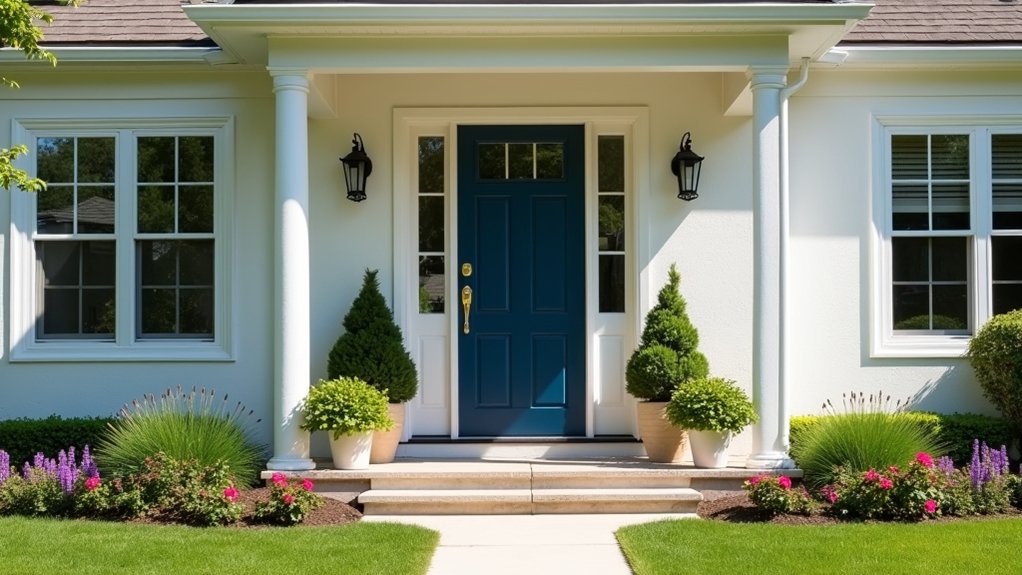
A few targeted exterior improvements can make your home look cared for without major construction. Start with landscape design: trim overgrown branches, define planting beds with clean edging, and choose low-maintenance plants suited to your climate and sunlight. Keep shrubs away from windows, vents, and walkways to preserve visibility and airflow.
Refresh the entry by washing the door, replacing worn hardware, and adding weather-resistant exterior accents such as a modern house number, planter, or light fixture. Use outdoor-rated products and fasteners to prevent premature deterioration.
Check porch steps, railings, and walkways for loose components or trip hazards before decorating. Improve lighting with shielded, energy-efficient fixtures that illuminate paths without creating glare.
Finally, control weeds and remove standing water, which can attract pests and damage surfaces. Small, consistent maintenance will protect the upgrades and strengthen your home’s first impression.
Frequently Asked Questions
How Can I Improve My Home’s Indoor Air Quality Without Major Renovations?
Improve indoor air quality by ventilating briefly, replacing HVAC filters, controlling moisture, and vacuuming regularly. Compare Air purifier options with certified HEPA filtration; consider Indoor plant benefits, but don’t rely on plants alone for pollutant removal.
Which Low-Cost Updates Can Make My Bathroom Feel More Modern?
You can modernize your bathroom affordably by replacing dated hardware with modern fixtures, adding stylish accessories, updating lighting, revitalizing caulk, and painting. Shut off power near water, use GFCI protection, and seal surfaces properly.
How Do I Choose Durable, Low-Maintenance Flooring for High-Traffic Areas?
Choose flooring with high abrasion ratings, waterproof construction, textured slip resistance, and simple cleaning requirements. Compare Eco friendly options and Cost effective materials, then verify warranties, subfloor compatibility, installation safety, and replacement availability before purchasing.
What Safety Improvements Should I Prioritize in an Older Home?
Prioritize fire prevention and electrical safety: install interconnected smoke and carbon-monoxide alarms, replace damaged wiring, add GFCI protection, secure handrails, improve lighting, test outlets, and address gas leaks immediately.
How Can I Make Small Rooms Appear Larger Without Changing Their Layout?
You can make small rooms appear larger by using light color schemes, keeping floors visible, choosing slim furniture, and installing high-mounted window treatments. Add mirrors safely, maintain clear walkways, and avoid blocking exits or ventilation.
Conclusion
With a modest budget and a practical plan, you can refresh your home without major construction. Paint, brighter LED lighting, updated hardware, draft sealing, smart storage, and simple exterior maintenance deliver visible results quickly. Why tolerate dim, inefficient, cluttered spaces when small changes can improve comfort and curb appeal? Work safely: switch off power before electrical tasks, use stable ladders, ventilate during painting, and follow product instructions. Tackle one upgrade at a time, measure results, and enjoy lasting improvements.